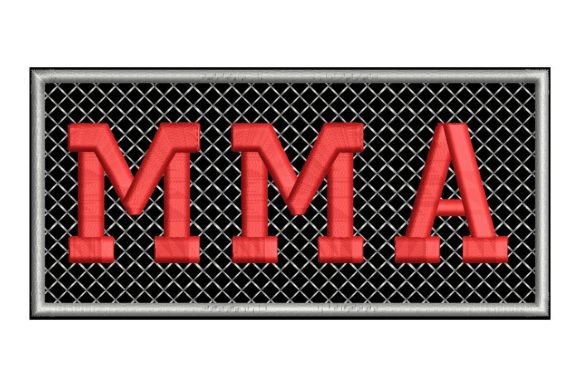
3D Puff MMA Cage Design Review
As a professional embroidery designer specializing in commercial merchandise and branded assets, I approach every new machine embroidery design with a critical eye toward production viability. When evaluating the 3D Puff MMA with Cage Background, my primary focus is not just the aesthetic appeal of the sports motif, but how this specific digitization translates into tangible value for small businesses, apparel decorators, and merch creators. This review dissects the technical performance and business application of this design, ensuring it meets the rigorous demands of commercial embroidery environments.
First Impressions: Bold Texture Meets Professional Utility
The immediate visual impact of the 3D Puff MMA with Cage Background is undeniably bold and aggressive, fitting perfectly within the Sports category. However, from a decorator’s perspective, the true value lies in its dimensionality. The integration of 3D puff elements transforms what could be a flat graphic into a tactile experience. For a small business owner or an Etsy seller, this texture signals premium quality. It moves beyond standard decoration into the realm of high-value custom apparel.
The cage background serves a dual purpose. Aesthetically, it reinforces the combat sports theme, providing necessary context for gym branding or fight team merchandise. Technically, the cage pattern offers excellent coverage and stability for the puff foam. In my assessment, this design feels modern and authoritative rather than playful or rustic. It is engineered for brands that need to project strength and durability, making it an ideal candidate for gyms, security firms, or rugged lifestyle brands looking to elevate their brand identity.
Technical Performance on Caps and Flat Goods
The product description explicitly states that this embroidery file is tested on a snapback hat with 2mm foam. This is a crucial detail for production managers. Snapbacks present unique challenges due to their structured front panels and buckram backing. A design tested specifically on this substrate suggests the digitizer has accounted for the push-and-pull compensation required when stitching through foam and stiffener.
For cap embroidery, the 2mm foam specification indicates a substantial raise. This height is optimal for visibility on headwear without causing registration issues common with thicker foams. However, because this design is versatile enough for flat embroidery as well, operators must adjust their strategy. When moving from caps to flat goods like tote bags or aprons, the 2mm foam may still be used, but the stabilizer requirements will change drastically. On a structured cap, the buckram acts as stabilization; on an apron embroidery project or unstructured canvas tote, you must use a heavy-duty cutaway or tear-away stabilizer to support the density of the puff stitches and prevent puckering.
The fact that all files are tested prior to release provides assurance for shops running tight production schedules. It reduces the risk of thread breaks or foam shredding during a bulk run of small business merch. Nevertheless, I always recommend verifying the hoop size compatibility with your specific machine before loading the file, as cap hoops and flat hoops differ significantly in geometry.
Strategic Applications for Small Business Merchandise
While rooted in MMA, this design has crossover potential for various niche markets when positioned correctly. For a combat sports gym or personal training studio, it is a direct fit for staff uniforms, fighter walkout gear, and member retail. The 3D element makes these items feel like exclusive merchandise rather than generic print-on-demand products.
Creative studios or handmade brands focusing on "grit," "resilience," or "strength" themes can utilize this as a symbolic patch. Imagine a leatherworking shop or a metal fabrication studio using the 3D Puff MMA with Cage Background as a sleeve detail on work shirts. The cage motif subtly communicates protection and industrial toughness without being overtly violent. This versatility enhances customer trust by aligning the visual language of the merchandise with the core values of the business.
For event organizers and tournament directors, this design works exceptionally well as a commemorative embroidered patch. Patches allow for inventory flexibility; you can stitch them in bulk during slow periods and apply them to hats, jackets, or bags as orders come in. The textured surface photographs beautifully, making it highly effective for social media marketing and printable mockup presentations to sponsors or clients.
Production Cautions and Fabric Considerations
Despite its robust testing, there are specific scenarios where caution is required. High stitch density inherent to 3D puff designs means this file is not suitable for lightweight or sheer fabrics. Attempting this on a thin performance tee or lightweight polyester could result in fabric damage or excessive stiffness. Stick to medium-to-heavyweight substrates like twill, canvas, denim, or wool felt.
Color contrast is another critical factor. The cage background relies on shadow and depth to create the 3D illusion. If you embroider black thread on a black hat, the puff effect may get lost visually. I advise testing thread colors that offer sufficient contrast against the base material to ensure the cage pattern remains distinct. Additionally, verify the minimum lettering size if the design includes text. Puff embroidery requires wider columns; tiny text often fails to cover the foam properly, leading to a messy finished product.
Washability must also be considered for custom apparel intended for daily wear. 3D puff is durable, but frequent industrial washing can degrade the foam over time. For staff uniforms or aprons that require daily laundering, consider placing this design in low-wear areas like the chest or sleeve rather than high-friction zones. Always include care instructions with your merchandise to preserve the integrity of the embroidery.
Designer Notes for Commercial Success
To maximize the ROI on this digital embroidery file, follow these practical steps before full production:
- Test in Monochrome First: Run a sample in black and white to evaluate the structural integrity of the puff and cage layers without the distraction of color changes.
- Verify Foam Compatibility: Ensure you have 2mm foam in stock. Using 3mm or 1mm foam with a file digitized for 2mm can cause coverage gaps or needle penetration issues.
- Create Client Mockups: Because 3D puff is hard to visualize digitally, stitch a physical sample and photograph it for client approval. This manages expectations regarding texture and height.
- Check Licensing: Confirm the commercial licensing terms included with the file. Ensure you have the right to use this design on merchandise for sale, especially if selling on platforms like Etsy.
- Compare Design Assets: Place this design beside your existing logo or brand marks. Ensure the visual weight matches your current design assets to maintain visual consistency across your product line.
- Inspect Spacing: After a test run, measure the distance between the puff elements and the cage background. Proper spacing prevents the foam from lifting or peeling after wear.
Elevating Brand Value Through Technical Precision
The 3D Puff MMA with Cage Background represents more than just a sports graphic; it is a tool for differentiation in a crowded market. For small business owners and embroiderers, utilizing tested, specialized files like this demonstrates a commitment to quality. The tactile nature of 3D puff creates a sensory connection with the customer that flat embroidery simply cannot achieve.
By respecting the technical parameters—specifically the 2mm foam requirement and substrate suitability—you ensure that every handmade product or branded item leaving your shop meets professional standards. Whether applied to a snapback for a gym, a tote bag for a rugged lifestyle brand, or a patch for an event, this design delivers bold visual impact backed by reliable digitization. Ultimately, investing in verified commercial embroidery designs protects your reputation, reduces waste, and builds lasting recognition for your business.