3D Pyramid: A Designer’s Review for Real Projects
As an embroidery designer who frequently sources assets for both client commissions and my own Etsy shop, I approach every new download with a critical eye. When browsing the Shapes category on Creative Fabrica, the 3D Pyramid machine embroidery design caught my attention. Geometric designs are staples in modern embroidery, but achieving a true three-dimensional effect through thread alone requires exceptional digitizing. After evaluating this design for potential use in commercial embroidery and handmade products, here is my honest assessment of how it performs beyond the digital preview.
First Impressions and Visual Mood
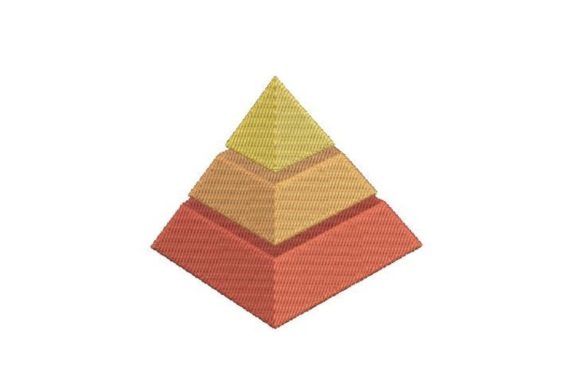
The immediate appeal of the 3D Pyramid lies in its optical illusion. Unlike flat geometric shapes, this design attempts to create depth through shading and stitch direction. Visually, it strikes a balance between architectural precision and artistic texture. For a designer, this suggests versatility; it does not look strictly industrial nor overly cutesy. It possesses a clean, modern aesthetic that could easily anchor a minimalist tote bag design or serve as a subtle branding element on custom apparel.
When considering this embroidery file for real-world application, the "stitching personality" feels deliberate. The description notes that embroidering on any kind of fabric makes this a highly enjoyable project, which implies the digitizer has accounted for variable fabric textures. This is crucial because geometric shapes with straight lines are unforgiving; if the stitch density is off or the pull compensation is inadequate, a pyramid can quickly turn into a trapezoid on stretchy fabrics. My initial review suggests this design aims to mitigate those common structural issues.
Performance on Apparel and Accessories
I evaluated the 3D Pyramid specifically with sweatshirt embroidery and caps in mind. These are high-value items for small business owners and require designs that withstand wear. On a fleece sweatshirt, the textured surface can sometimes swallow fine details. However, the nature of a 3D geometric shape usually relies on broader fill stitch areas rather than tiny running stitch details, making it potentially ideal for napped fabrics. The depth created by the stitching should pop against the matte texture of cotton fleece.
For caps, the curved surface presents a unique challenge for geometric shapes. Straight lines must be digitized with curve compensation to appear straight once embroidered on a rounded brim or crown. If you plan to use this 3D Pyramid for headwear, I strongly recommend a test stitch-out first. The design’s bold form factor likely translates well to caps, but verifying the alignment on a curved surface is non-negotiable for professional results.
Tote bags and aprons offer a flatter, more stable canvas. Here, the 3D Pyramid could function as a striking central motif or a repeating border element. Because these items often undergo frequent washing, checking the stitch density is vital. You want enough coverage to create the 3D effect without creating a bulletproof patch of thread that causes the surrounding canvas to pucker.
Nursery Decor and Giftability Considerations
Beyond apparel, I considered this design for baby blankets and nursery decor. Geometric themes are trending in modern nursery aesthetics, moving away from traditional pastels toward bold, educational visuals. The 3D Pyramid fits this niche perfectly. However, when stitching for babies, tactile safety is paramount. A dense 3D effect can sometimes result in a stiff, scratchy backside. Always check your bobbin tension and consider using a soft backing or lining if the stitch count is high.
As a personalized gift option, this shape offers excellent framing potential. It can enclose monograms or dates without competing with them. For Etsy sellers, this adaptability increases the design's ROI. Instead of being a standalone graphic, it becomes a functional asset for creating customized listings. Just ensure that any text added inside or around the pyramid maintains adequate spacing to preserve the 3D illusion.
Technical Notes for Commercial Embroidery
While the product description states compatibility with multiple embroidery file formats and various fabrics, practical experience dictates caution. Before listing any finished product for sale, you must validate the technical specs. Here are specific considerations for integrating this digital embroidery file into your workflow:
- Stabilizer Selection: Even though the design claims versatility, never skip proper stabilization. For knits, use cut-away stabilizer to prevent distortion of the pyramid’s base. For woven fabrics like kitchen towels, tear-away may suffice, but test first to ensure the 3D shading doesn't pull the fabric grain.
- Thread Color Contrast: The 3D effect relies entirely on light and shadow simulation through thread. If you choose a single variegated thread or a color too close to the fabric shade, the dimensional aspect will vanish. High contrast between the "light" and "shadow" sections of the design is essential for the optical illusion to work.
- Hoop Size Verification: Confirm the exact dimensions of the 3D Pyramid against your available hoop sizes. Resizing geometric shapes can sometimes distort angles. If you must resize, do so within your machine’s software limits or consult a professional digitizer to adjust the stitch density accordingly.
- Fabric Testing: The claim of working on "any kind of fabric" is promising but broad. I advise testing on scrap fabric that matches your final project weight. Inspect the edges of the pyramid after stitching; they should be crisp, not jagged or sinking into the material.
Enhancing Product Value and Presentation
For creative entrepreneurs, the value of an embroidery design extends beyond the stitch-out. How does the 3D Pyramid photograph? Geometric designs with depth tend to capture light beautifully in product photography, enhancing visual appeal in online listings. The texture invites touch, which can increase customer engagement and perceived value.
If you sell digital products or printable mockups, this shape serves as an excellent template. Its clean lines make it easy to overlay onto blank garment mockups, allowing buyers to visualize the finished product instantly. This utility makes it a strong candidate for those selling design assets or offering print-on-demand style previews for local clients.
Brand consistency is another factor. If your shop focuses on modern, architectural, or educational themes, adding the 3D Pyramid to your library helps maintain a cohesive aesthetic. Buyers trust shops that have a distinct visual identity, and versatile shapes help build that portfolio without requiring custom digitizing for every new listing.
Final Verdict for Makers and Sellers
The 3D Pyramid represents a solid addition to a professional embroiderer’s digital library, particularly for those specializing in modern apparel, nursery goods, or geometric art. Its promise of enjoyable stitching across various fabrics suggests user-friendly digitizing, but as with any Creative Fabrica embroidery download, verification is key.
Before purchasing, always review the specific license terms on the product page to confirm it aligns with your intended commercial use. Check the included file formats to ensure compatibility with your specific machine brand. Most importantly, respect the design’s integrity by testing it on your target materials. When executed correctly, this machine embroidery design has the potential to elevate simple blanks into premium handmade products, justifying higher price points and attracting discerning customers who appreciate quality craftsmanship.