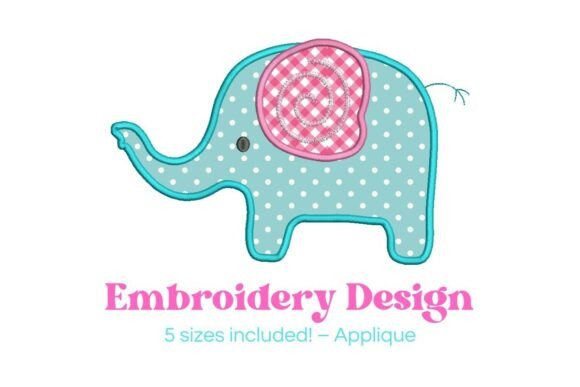
Baby Elephant Applique Embroidery Review
As I prepare my inventory for the upcoming weekend craft fair, my table display needs to strike a delicate balance between visual charm and commercial viability. When evaluating the Baby Elephant Applique Embroidery design for my booth lineup, I am looking at more than just a cute graphic; I am assessing a potential bestseller. This machine embroidery design presents itself as a soft, nursery-inspired motif that leans heavily into modern farmhouse and gentle minimalism. It does not scream for attention with chaotic colors or aggressive density. Instead, it offers a quiet elegance that appeals specifically to parents, grandparents, and gift-givers browsing handmade markets. The applique style suggests texture and dimension, which is exactly what catches the eye of a shopper walking past a table filled with flat printed goods.
First Impressions and Booth Appeal
The immediate strength of this Baby Elephant Applique Embroidery lies in its versatility within the Nursery category. At a glance, the design feels premium rather than mass-produced because the applique technique breaks up large fields of stitching with actual fabric. For an Etsy seller or boutique maker, this distinction is vital. Customers at craft fairs are tactile shoppers; they want to touch the product. The blend of artistic craftsmanship mentioned in the description translates well in person because the fabric texture adds a layer of quality that standard fill stitches cannot replicate. It reads as a high-value handmade product rather than a quick digital download output. However, the success of this design depends entirely on fabric selection. A pastel cotton print for the elephant body against a neutral linen background creates that sought-after boutique aesthetic, whereas high-contrast primary colors might push it toward a generic cartoon look that lowers perceived value.
Best Product Applications for Market Sales
Not every item on my table will showcase this design equally. Based on my experience with similar nursery motifs, here is how the Baby Elephant Applique Embroidery performs across different substrates:
- Tote Bag Design: This is likely your highest ROI item. Canvas totes provide a stable base for applique, and the elephant motif serves as a perfect focal point without overwhelming the bag’s utility. Shoppers love personalized mom bags or library totes featuring this style.
- Tea Towel Embroidery: Flour sack towels are ideal here. The lighter weight of the towel pairs beautifully with the softness of the elephant theme. Just ensure the stabilizer is adequate to prevent puckering, as the applique layers add thickness.
- Apron Embroidery: While functional, aprons can be tricky due to curved surfaces. This design works best as a small accent on the chest pocket area rather than a large center piece, maintaining the integrity of the garment's drape.
- Pillow Covers: For nursery decor samples, this is a winner. The texture of the applique invites touch, making it an excellent display piece to draw customers into the booth.
- Embroidered Patch: If you have leftover hoop space, run this as a standalone patch. These are low-cost add-ons at craft fairs and allow customers to buy the design even if they do not need a full tote or towel.
I would avoid using this specific design on structured caps unless you have verified the digitizing includes cap-specific compensation. The curved surface often distorts the clean lines required for a recognizable elephant silhouette, leading to registration issues that look unprofessional on a finished product.
Production Practicality and Batch Efficiency
For a small shop product line, time is money. The Baby Elephant Applique Embroidery appears to be designed with production efficiency in mind, provided you manage your workflow correctly. Applique designs generally stitch out faster than full-fill designs of the same size, which increases your hourly output during batch production runs. However, the trade-off is manual intervention. You must account for the time spent placing and trimming fabric. To maximize profit margins for commercial embroidery, pre-cut your applique pieces using a laser cutter or precise die cuts before hooping. This reduces the fiddly scissor work at the machine and ensures consistent edges across fifty tea towels.
Photographing this design for online listings requires attention to lighting. Because applique relies on texture, flat lay photos often fail to capture the depth. Use natural side-lighting to cast subtle shadows along the fabric edges of the elephant. This highlights the "artistic craftsmanship" and justifies a higher price point on your Etsy listing. Additionally, always create a printable mockup that accurately represents the scale. Customers need to see that the elephant isn't too small on a large tote or too massive on a baby bib.
Critical Technical Considerations
While the design is charming, there are technical pitfalls that can ruin a batch of products. As an experienced designer, I urge you to check the following before committing to a full production run:
- Stitch Density and Fabric Texture: Verify the stitch density of the satin border securing the applique. If it is too dense, it may cut through lightweight fabrics like batiste or voile. Conversely, if it is too loose on textured towels, the raw edge may fray after washing. Test on scrap fabric identical to your final product.
- Small Details and Clarity: Elephants often feature intricate details like eyelashes or trunk wrinkles. In smaller sizes, these can become thread nests. Confirm the minimum size recommendation in the embroidery file metadata. Do not resize down beyond 80% without testing, as tiny lettering or fine facial features may lose clarity.
- Thread Colors and Contrast: The design description mentions fine embroidery accents. Ensure your thread contrast allows these details to pop. Tone-on-tone threading looks elegant but can disappear in booth lighting. A slightly darker outline thread often defines the shape better for market visibility.
- Stabilizer Selection: Never skimp on stabilizer for applique. The multiple layers of fabric and tack-down stitches require robust support. Use a medium-weight cutaway for stretchy items and a tear-away for stable woven cottons to prevent distortion.
- Licensing Verification: Before selling any finished product, confirm the commercial licensing terms included with the digital embroidery file. Some designers restrict the number of physical items sold or prohibit using the design for digital mockups sold as assets. Protect your business by reading the fine print.
Maximizing Customer Engagement
Ultimately, the Baby Elephant Applique Embroidery succeeds because it evokes emotion. In a sea of generic floral and monogram designs at a craft fair, a well-executed animal motif stands out as thoughtful and specific. It targets a niche demographic effectively. To boost engagement, pair this design with complementary elements in your booth display. If you are selling embroidered pillow covers, style them with other nursery textures. If selling tote bags, fill the sample bag with children’s books or wooden toys to help the customer visualize the use case immediately.
Remember that consistency builds brand recognition. Using this design as part of a cohesive collection—perhaps matching it with a baby giraffe or lion in the same applique style—encourages multi-item purchases. Customers who love the elephant tea towel are likely to buy the matching pouch if the design assets share the same stitch style and color palette. By treating this machine embroidery design not just as a single file but as a cornerstone of a broader nursery collection, you elevate your handmade products from simple crafts to a curated boutique experience. Always test, always verify your hoop size compatibility, and never underestimate the power of a perfectly trimmed applique edge in showcasing true professional quality.