Ethnical Embroidery and Batik Concept Review
First Impressions: Translating Digital Art to Thread
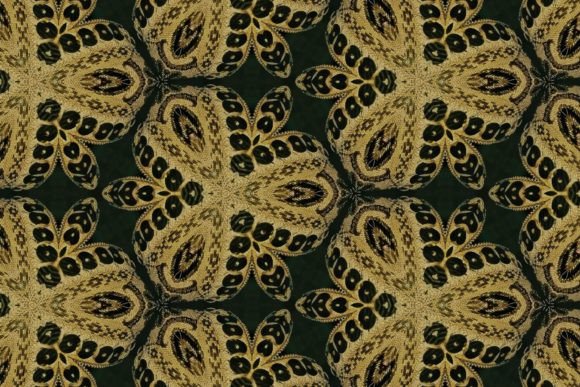
When I first opened the Ethnical Embroidery and Batik Concept file, my immediate reaction was one of cautious optimism. As a designer who bridges the gap between digital graphics and tangible textiles, I often see "mystical pattern designs" that look stunning on a monitor but fail catastrophically under the needle. This particular asset, marketed as a versatile background for everything from UI themes to wall murals, presents a unique challenge for us in the maker community. The visual personality is undeniably rich, evoking traditional craftsmanship with a modern, almost three-dimensional depth. However, translating this intricate Graphics category asset into a functional machine embroidery design requires a critical eye.
The layout suggests a dense, rhythmic complexity typical of authentic batik or ethnic textile traditions. For an embroidery designer, this signals both opportunity and risk. The mood is sophisticated and cultural, making it ideal for high-value items, but the detail level demands respect. Unlike simple line art, this concept relies on tonal variation and layered motifs. Before hooping any fabric, I had to assess whether the original digitizing respected the physics of thread or if it merely traced pixels. A true embroidery project using this concept needs to balance artistic integrity with structural stability, ensuring the final piece feels like a premium handmade product rather than a stiff, over-stitched patch.
Real-World Application: Stitching a Custom Tote Bag
To truly evaluate the viability of the Ethnical Embroidery and Batik Concept, I decided to apply it to a practical, high-wear item: a natural canvas tote bag. This is a staple for any Etsy seller or craft business because it serves as a walking billboard for your brand. My goal was to create a tote bag design that felt artisanal and durable enough for daily grocery runs or beach trips.
During the test stitch-out, I treated the design as a centerpiece rather than an all-over print. Canvas is forgiving, but it has a distinct fabric texture that can swallow fine details. I found that the mystical elements of the pattern worked best when scaled to fit a 5x7 hoop. At this size, the relationship between the satin stitch borders and the internal fill stitch areas remained clear. If I had attempted to shrink this down for a pocket-sized accent, the intricate batik-style intersections would have merged into a muddy lump of thread. Conversely, enlarging it for a full-back jacket might have exposed gaps in the coverage unless the stitch density was specifically calibrated for expansion.
For the finished product, I opted for high-contrast thread colors: a deep indigo and metallic gold against the unbleached canvas. This choice honored the ethnic inspiration while ensuring the design popped visually. The result was a bag that looked significantly more expensive than its material cost suggested. For small shop product lines, this elevation in perceived value is crucial. Customers are willing to pay a premium for custom apparel and accessories that showcase complex, culturally resonant artistry, provided the execution is flawless.
Navigating Fabric Limitations and Technical Constraints
While the tote bag was a success, I must emphasize where the Ethnical Embroidery and Batik Concept requires extreme caution. Not every substrate is a candidate for this level of detail. I strongly advise against using this specific pattern on stretchy knits like jersey t-shirts without significant modification. The inherent density required to render the "3D illustration art" aesthetic creates a heavy stitch block that fights against the drape of lightweight fabric. On a baby onesie or thin summer top, this could result in puckering, distortion, or even tearing during washing.
Similarly, textured fabrics like terry cloth or fleece pose a visibility problem. The mystical nuances of the pattern rely on clean transitions between stitch types. On a plush surface, those transitions get lost. If you are planning baby embroidery or nursery decor using this concept, consider utilizing an applique design technique to anchor the main shapes before adding decorative stitching, or use a water-soluble topping to keep the stitches crisp. Always verify your hoop size capabilities before purchasing; this design likely exceeds standard 4x4 limitations due to its background nature.
Dark fabrics also present a hurdle. Batik concepts often rely on negative space and color interplay. On black denim or navy twill, you may need to add an underlay or adjust the color palette entirely to prevent the design from disappearing. I recommend testing on scrap fabric identical to your final project. Check how the running stitch outlines interact with the base material. If the fabric pushes away from the needle, your tension or stabilizer choice needs adjustment. For commercial embroidery jobs where consistency is key, these pre-production tests save hours of frustration and wasted inventory.
Elevating Brand Value Through Thoughtful Design
Beyond the technical mechanics, we must consider the market impact. Using a recognizable style like the Ethnical Embroidery and Batik Concept communicates professionalism and cultural appreciation. For creative entrepreneurs, this distinguishes your work from generic clip-art embroidery. When a customer sees a well-executed ethnic pattern on a pillow cover or apron, they perceive a higher level of skill and intentionality. This directly influences buyer engagement and trust.
However, presentation matters as much as production. Before listing a new personalized gift or boutique item, utilize printable mockup tools to visualize the placement. Does the pattern align correctly with seams? Is it centered relative to pockets or zippers? Digital previews help you refine the aesthetic before committing thread to fabric. Furthermore, ensure your photography captures the texture of the embroidery. Flat, over-edited photos hide the tactile quality that makes Patterns like this desirable. Show the sheen of the thread and the dimensionality of the stitch work to justify your pricing.
Brand consistency is another factor. If you adopt this mystical aesthetic for your holiday embroidery line or wedding gifts, carry that theme through your packaging and shop branding. The cohesive visual language reinforces your identity as a specialist in ethnically inspired fiber arts. Whether you are selling physical goods or digital embroidery file assets, maintaining this standard builds a loyal customer base that returns for your specific interpretation of traditional art forms.
Essential Designer Notes for Safe Commercial Use
Before integrating the Ethnical Embroidery and Batik Concept into your production workflow, please adhere to these professional safeguards:
- Verify Licensing Terms: Never assume commercial rights. Confirm explicitly whether the license allows for selling finished physical products, digital files, or both. Protect your craft business from legal issues by reading the fine print.
- Audit Stitch Density: Open the embroidery file in your editing software. Check for areas of excessive density that could break needles or distort fabric. Adjust pull compensation if necessary to account for your specific machine's tension.
- Test on Target Material: Do not skip the sample run. What works on stable canvas may fail on silk or performance wear. Validate the stabilizer choice (cut-away vs. tear-away) based on the fabric's stretch and weight.
- Color Fastness Check: Ethnic designs often use saturated dyes. Ensure your chosen threads are colorfast, especially for items like tea towels or baby blankets that require frequent laundering. Bleeding colors ruin customer trust instantly.
- Scale Appropriately: Respect the minimum size limits of the design. Shrinking complex design assets below their intended threshold destroys detail. If a smaller version is needed, seek or create a dedicated simplified file rather than resizing the master.
- Mockup in Black and White: Test the contrast values without color. If the design reads clearly in grayscale, it will be visually legible in thread regardless of the specific hue combinations you choose.
Ultimately, the Ethnical Embroidery and Batik Concept is a powerful tool for makers who value depth and tradition. By approaching it with technical discipline and artistic sensitivity, you transform a digital graphic into a cherished, tangible heirloom. Take the time to understand its behavior, and it will reward you with stunning results that elevate your entire portfolio.