Flowers and Graceful Embroidery Design Review
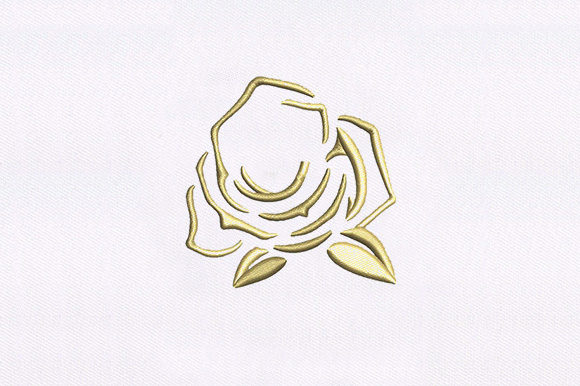
As a professional embroidery designer who constantly evaluates digital assets for both client work and my own small shop inventory, I approach every new machine embroidery design with a critical eye. It is not enough for a file to simply look pretty on a screen; it must translate into a durable, beautiful finished product. When I first loaded the Flowers and Graceful Embroidery Design into my software, I was immediately struck by its artistic balance. This design sits comfortably within the Single Flowers Plants category, but it offers more than just a standard botanical illustration. The integration of delicate florals with fluid brush stroke elements creates a visual texture that feels hand-painted rather than digitized.
For fellow Etsy sellers, apparel decorators, and makers, this review breaks down how this specific embroidery file performs in real-world production scenarios. My goal is to help you determine if this design aligns with your current project needs, whether you are creating custom apparel, nursery decor, or boutique merchandise.
First Impressions and Artistic Mood
The initial appeal of Flowers and Graceful Embroidery Design lies in its versatility. Many floral designs lean heavily toward either rigid traditionalism or overly modern abstraction. This piece strikes a middle ground that feels timeless yet fresh. The brush stroke accents provide a necessary negative space that prevents the design from looking too dense or heavy on fabric. For a craft business owner, this is crucial because it allows the design to breathe on various garments without overwhelming the base material.
Visually, the layout suggests movement. Unlike static block flowers, the graceful curves guide the eye across the composition. This makes it an excellent candidate for placement on curved surfaces or asymmetrical layouts. When evaluating design assets for commercial use, I always ask: "Does this have a personality?" In this case, the answer is yes. It carries a soft, romantic elegance that translates exceptionally well to personalized gifts and wedding-related items, while still being robust enough for everyday tote bag design applications.
Real-World Application: The Linen Tote Test
To truly understand the utility of this digital embroidery file, I mentally applied it to a recent client request: a series of premium linen tote bags for a bridal party. Linen is a textured fabric that can sometimes swallow fine details or cause registration issues with complex stitch density.
In this scenario, Flowers and Graceful Embroidery Design proved ideal. The combination of likely satin stitch outlines and lighter fill areas works harmoniously with the natural slub of linen. If this were a fully dense fill stitch design, the stiffness might distort the bag's drape. However, the inclusion of open brush stroke elements reduces the overall stitch count and maintains the fabric's integrity. For Etsy sellers focusing on eco-friendly or natural fiber products, this design respects the substrate rather than covering it up completely.
Furthermore, when creating printable mockups for listing photos, the distinct silhouette of this design reads clearly even at thumbnail size. Buyers scrolling through feeds need to instantly recognize the theme. The clear definition between the flowers and the artistic strokes ensures high click-through rates for small shop product listings.
Technical Considerations and Fabric Pairings
While the aesthetic is strong, technical execution determines customer satisfaction. Based on the visual structure of Flowers and Graceful Embroidery Design, here are practical considerations for different materials:
- Sweatshirt Embroidery: Fleece and french terry fabrics are thick and stretchy. You must use appropriate stabilizer (likely a cut-away) to prevent puckering. The graceful lines in this design could warp if the hoop tension is uneven. Test on scrap fleece first to ensure the running stitch details do not sink into the pile.
- Baby Embroidery: If using this for onesies or bibs, check the back of the stitching. Delicate baby skin requires smooth backing. Because this design features varying densities, consider using a soft mesh cut-away or water-soluble topping to keep stitches crisp without adding bulk.
- Kitchen Towels and Tea Towels: These items face frequent washing. Ensure your top thread has high colorfastness. The open nature of the design is actually beneficial here, as it allows the towel to remain absorbent and flexible rather than creating a stiff, embroidered patch area.
- Dark vs. Light Fabrics: Before committing to a production run, test thread colors against both backgrounds. A design relying on subtle shading may lose contrast on dark denim. You might need to adjust underlay or select brighter thread variants to maintain the "graceful" effect on charcoal or navy bases.
Where to Exercise Caution
No single embroidery project file is perfect for every situation. There are specific contexts where Flowers and Graceful Embroidery Design requires careful handling:
- Small Hoop Sizes: Always verify the minimum dimensions before resizing. Reducing a design with intricate brush strokes below its intended size can cause thread breaks or muddy details. If you need a tiny motif for a collar or cuff, check if the designer offers a pre-digitized mini version rather than shrinking this master file.
- Stretchy Performance Wear: On spandex-heavy activewear, standard floral designs can pop stitches. Unless this file is specifically marked as stretch-compatible, reserve it for stable knits or woven fabrics.
- Caps and Curved Surfaces: While the flow is organic, cap hoops present unique challenges. Center alignment is critical. If the design is wide, it may wrap too far around the curve, causing distortion at the edges. Use a cap frame specifically designed for your machine and run a trace baste first.
- Sheer or Lightweight Fabrics: Organza or voile may not support the weight of multi-colored transitions. Use a water-soluble stabilizer sandwich method to provide temporary structure that washes away completely.
Professional Workflow and Business Value
For those running a commercial embroidery business or selling handmade goods, consistency builds trust. Flowers and Graceful Embroidery Design offers a cohesive look that can anchor a collection. I recommend pairing it with simple, serif typography for a classic boutique feel, or sans-serif fonts for a modern update.
When marketing holiday embroidery or seasonal collections, this floral base serves as an evergreen asset. It does not scream "spring only"; with a change in thread palette—think burgundy and gold for autumn or icy blue and silver for winter—it adapts seamlessly. This adaptability maximizes your ROI on the embroidery file.
Always confirm licensing terms before selling finished items. While most designers allow physical product sales, some restrict mass production or digital redistribution. Protecting your business means respecting these boundaries. Additionally, never skip the test stitch-out. Even the best digitized files interact differently with your specific machine, needle type, and thread brand. A 15-minute test on scrap fabric saves hours of frustration and prevents wasted blanks.
Final Verdict for Makers
Flowers and Graceful Embroidery Design represents a thoughtful intersection of art and utility. It avoids the common pitfalls of overly dense botanicals while retaining enough detail to showcase quality craftsmanship. Whether you are embellishing a custom apparel line, creating a heartfelt personalized gift, or expanding your digital catalog, this design brings a level of sophistication that elevates perceived value.
By understanding its technical requirements and best-use cases, you can integrate this motif confidently into your workflow. Remember to respect the fabric, stabilize correctly, and let the graceful interplay of flowers and strokes speak for itself. In a market saturated with generic clip art, choosing designs with genuine artistic merit is what separates hobbyists from professional brands.