Frontline Phantom: A Designer’s Stitch Test
First Impressions of Silent Strength
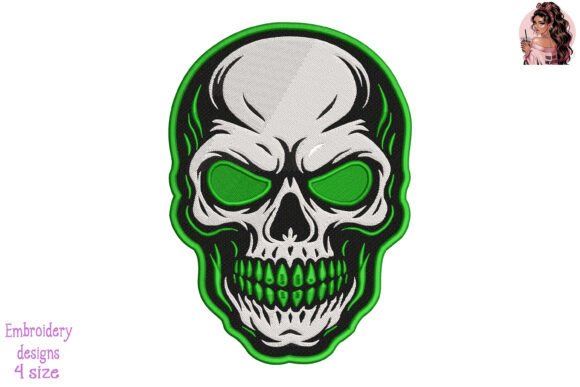
When I first loaded the Frontline Phantom machine embroidery design into my software, I wasn't just looking for a seasonal graphic; I was evaluating a narrative. As a designer who creates products for both tactical enthusiasts and holiday shoppers, I need assets that bridge the gap between niche appeal and broad marketability. This design immediately struck me as more than just standard Halloween embroidery. The description promises "silent strength" and "tactical precision," and visually, the file delivers on that mood without resorting to cartoonish tropes.
The layout feels balanced for commercial use. It avoids the cluttered aesthetic that often plagues novelty designs, opting instead for clean lines that suggest professionalism. For an Etsy seller or small shop owner, this is crucial. You aren't just selling a spooky image; you are selling a symbol of resilience. Whether intended for a first responder’s off-duty gear or a themed autumn collection, the visual personality here is stoic rather than silly. It respects the subject matter while remaining accessible enough for general apparel decoration.
Real-World Application: The Heavyweight Sweatshirt Test
To truly judge this embroidery file, I had to move beyond the screen. My test case involved a custom heavyweight fleece sweatshirt intended for a boutique client who wanted a subtle, morale-boosting piece for their team. This scenario is common for craft business owners navigating the space between personalized gifts and uniform branding.
I chose a dark charcoal fleece to test how the thread colors would pop against a low-light background. The Frontline Phantom design relies heavily on contrast to convey its "phantom" nature. During the stitching process, I paid close attention to the transition areas. If a design has poor digitizing, these transitions pucker or gap on thick fabrics. Fortunately, the stitch density appeared well-calibrated for mid-to-heavy weight materials. The satin stitch elements defining the silhouette held crisp edges without excessive pull, which is often the downfall of complex graphics on stretchy fleece.
For makers creating tote bag designs or aprons, this level of stability is reassuring. The design didn't distort when hooped, suggesting the underlay was properly mapped. This matters immensely when you are producing finished products for sale; a warped design destroys customer trust instantly. On the sweatshirt, the result was a professional, retail-ready look that felt appropriate for October but dignified enough for year-round wear by those in service professions.
Navigating Fabric Limitations and Hoop Sizes
While the design performed beautifully on fleece, experienced embroiderers know that versatility requires caution. Based on the complexity and likely stitch count associated with this level of detail, I would advise against using Frontline Phantom on lightweight performance tees or thin baby clothes without significant modification or testing.
- Stretchy Knits: If you plan to use this for custom apparel on jersey material, ensure you are using a high-quality cutaway stabilizer. The design’s solid fill areas could cause tunneling on unstable fabrics.
- Curved Surfaces: Cap embroidery requires specific digitizing. Unless the product description explicitly confirms a cap-friendly version, avoid placing this centered design on curved brims. The distortion risk is too high for a detailed graphic.
- Small Hoop Sizes: Always verify the minimum hoop size before purchasing. Resizing a design with intricate details down to a 4x4 hoop can compromise stitch clarity. Tiny lettering or fine running stitch accents may disappear or become illegible.
- Textured Fabrics: On terry cloth towels or minky blankets, consider using a water-soluble topper. Without it, the "silent strength" details might get lost in the fabric pile.
For baby embroidery projects specifically, I would recommend checking the back of the stitching. Dense designs can feel stiff and scratchy against sensitive skin. If the reverse side isn't smooth, this might be better suited for nursery decor like pillow covers rather than wearable infant items.
Commercial Value and Brand Consistency
From a business perspective, Frontline Phantom offers strong potential for digital product sellers and apparel decorators. The theme allows for cross-category marketing. It fits naturally into Halloween collections, yet it also serves the tactical, law enforcement, and security niches effectively. This dual-purpose nature increases the ROI of the embroidery file.
When creating printable mockups for your listings, pay attention to lighting. Because the design plays with shadows and darker tones, flat digital previews might not do it justice. I recommend stitching out a physical sample and photographing it in natural light to show customers the actual texture and sheen of the threads. Buyers engage more with photos that demonstrate real-world application rather than generic digital renders.
Furthermore, consider how this design aligns with your brand voice. If your shop focuses on cute, pastel aesthetics, this bold, tactical imagery might create dissonance. However, if your handmade product line celebrates strength, heritage, or seasonal transitions with an edge, this asset reinforces that identity. Consistency builds recognition, and recognition drives sales.
Critical Pre-Stitch Checklist for Makers
Before you commit this design to a final product or list it as part of a commercial embroidery bundle, run through this practical evaluation:
- Verify Licensing: Never assume usage rights. Confirm whether the license permits selling finished physical products versus digital files. Some designers restrict mass production or require attribution.
- Test Stitch Density: Run a test on scrap fabric identical to your final project. Check for bullet holes in leather or vinyl, and puckering on cotton.
- Thread Color Validation: Don't rely solely on the chart included with the digital embroidery file. Compare recommended thread colors against your physical inventory under store lighting. Monitor calibration varies wildly from reality.
- Mockup Reality Check: Create a black-and-white mockup alongside a color version. This helps you see if the design relies too heavily on color contrast to be readable, which is vital for monochrome applications.
- Wash Test: If selling tea towels or apparel meant for frequent laundering, wash your test swatch three times. Ensure the satin stitches don't fray and the fill doesn't separate from the fabric.
Elevating the Finished Product
Ultimately, the success of any embroidery project lies in the intersection of art and engineering. Frontline Phantom provides a compelling artistic foundation, but the execution depends on your technical diligence. By respecting the design's density requirements and choosing appropriate substrates, you transform a digital file into a tangible symbol of quality.
Whether you are crafting a personalized gift for a veteran, stocking your Etsy shop for the fall rush, or expanding your commercial embroidery catalog, this design demands a thoughtful approach. It rewards preparation with a premium finish that justifies higher price points and fosters buyer confidence. In a market saturated with generic seasonal clipart, choosing assets that embody genuine craftsmanship and thematic depth is what separates hobbyists from professional makers. Treat this design with the same precision it depicts, and your finished product will speak volumes without saying a word.