Golden Spirit of the Wild: An Embroidery Review
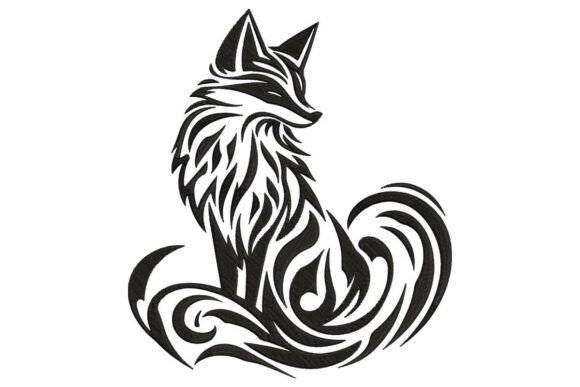
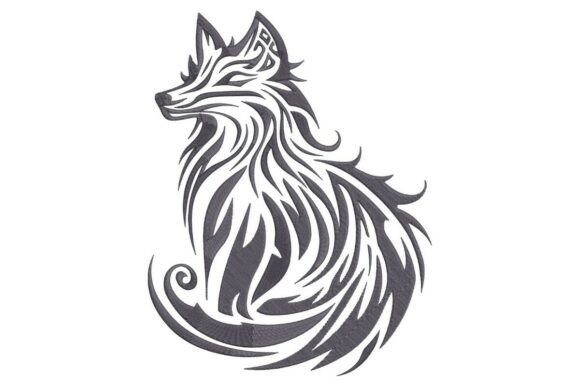
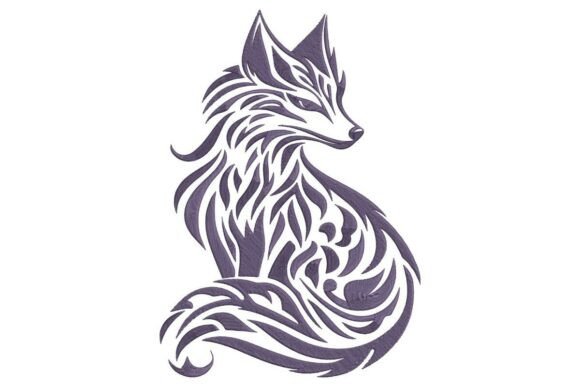
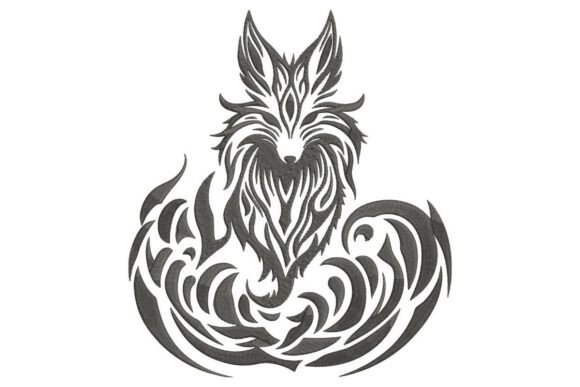
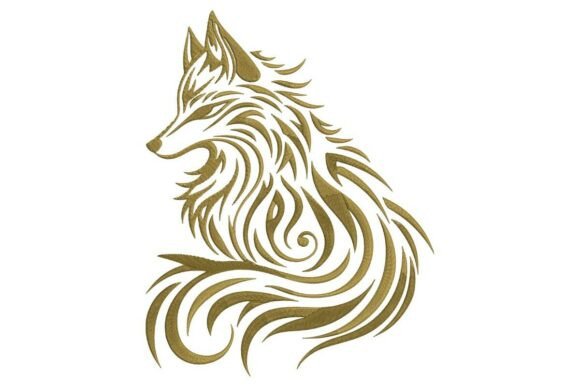
When evaluating a new machine embroidery design for potential inclusion in a commercial collection or a high-stakes client project, my criteria go far beyond digital aesthetics. A file might look stunning on a screen, but the true test lies in how the needle interprets those vectors. Recently, I took a close look at "Golden Spirit of the Wild," an illustration featuring a fox or wolf rendered in a bold tribal tattoo style. As someone who regularly produces custom apparel and boutique merchandise, I needed to determine if this design possesses the structural integrity required for real-world application. The concept is evocative—a graceful wild canine looking over its shoulder with mystical elegance—but translating that fluidity into thread requires careful consideration of stitch density, fabric compatibility, and end-use durability.
First Impressions and Design Integrity
My initial assessment of Golden Spirit of the Wild focused on the translation of the tribal aesthetic into embroidery-friendly geometry. Tribal styles are notoriously tricky because they rely on crisp, sweeping lines that can easily become jagged or puckered if the digitizing lacks proper underlay. In this design, the bold curves suggest a heavy reliance on satin stitch elements rather than complex fill stitch textures. This is generally a positive indicator for production speed and visual clarity, provided the column widths are managed correctly. The pose of the animal, sitting and glancing backward, creates a dynamic triangular composition that naturally fits standard hoop orientations without excessive empty space. For an Etsy seller or maker focusing on Wild Animals themes, this layout offers immediate versatility. It avoids the common pitfall of overly intricate details that get lost when scaled down, maintaining the "spirit" of the piece through silhouette and flow rather than microscopic realism.
Real-World Application: The Sweatshirt Test
To truly judge the viability of this embroidery file, I mentally mapped it onto a current best-seller in my shop: heavyweight cotton fleece sweatshirts. This is where Golden Spirit of the Wild has the highest potential for return on investment. The bold tribal lines are designed to stand out against the fuzzy texture of fleece, which often swallows finer details. When planning this embroidery project, I envision placing the design centered on the chest or as a larger back piece. The mystical nature of the artwork aligns perfectly with current trends in boho and cottagecore fashion, making it a strong candidate for a handmade product listing.
However, executing this on knit fabrics requires specific attention to stabilization. Because the design likely contains dense satin columns to achieve that tattoo effect, using a cut-away stabilizer is non-negotiable to prevent distortion during wear and washing. I also considered how this would function as a tote bag design. Canvas totes provide a stable base that showcases the precision of the tribal lines better than stretchy knits. For makers selling at craft fairs, a natural canvas tote featuring this golden spirit motif could serve as an excellent mid-tier price point item, bridging the gap between affordable accessories and premium custom apparel.
Navigating Fabric Limitations and Hoop Constraints
While the design shows promise, experienced embroiderers know that not every substrate is suitable for bold tribal art. I would advise extreme caution when attempting Golden Spirit of the Wild on lightweight performance fabrics or thin rayon linings. The contrast between the likely high stitch density of the tribal elements and the delicate drape of these materials could lead to tearing or an unappealing stiff spot in the garment. Similarly, while the shape is elegant, the curved nature of the animal’s posture makes it a poor candidate for structured caps unless you have advanced hooping skills and a specialized cap frame; the distortion risk on the curved brim area is simply too high for a reliable commercial embroidery run.
Furthermore, consider the hoop size limitations. If you are working with a 4x4 hoop, verify that the design retains its impact when resized. Tribal designs often lose their tapering elegance when compressed too aggressively. Before committing to a bulk order of baby embroidery items or onesies, test the scaled-down version to ensure the internal negative spaces remain open and do not merge into a solid blob of thread. Safety and comfort are paramount for infant wear; if the stitched area becomes too dense or scratchy after resizing, this design should be reserved for decorative nursery pillows or wall hangings instead.
Strategic Value for Creative Entrepreneurs
For the craft business owner, Golden Spirit of the Wild represents more than just a pretty picture; it is a potential brand anchor. The specific combination of "wild canine" and "tribal tattoo style" targets a distinct niche that overlaps with outdoor enthusiasts, spiritual shoppers, and alternative fashion lovers. When creating printable mockups or digital previews for your online store, this design photographs exceptionally well due to its high contrast and recognizable silhouette. It reads clearly even in small thumbnail images, which is crucial for click-through rates on platforms like Etsy or Shopify.
If you are selling digital embroidery files yourself or incorporating this into a licensed bundle, emphasize the versatility of the motif in your marketing. Show it stitched on dark denim to highlight the gold thread contrast, and on cream linen to demonstrate its softer, mystical side. This duality increases the perceived value of the design assets. However, always confirm licensing terms before offering finished goods. Ensure you have the right to sell physical products versus digital files, as this distinction protects both your business and the original digitizer.
Essential Pre-Stitch Checklist for Makers
Before loading this embroidery file into your machine for a final product, adhere to these professional protocols to ensure a premium finished product:
- Test Stitch on Scrap: Never skip this step. Use a fabric scrap that matches your final project's weight and weave to check for registration issues or puckering.
- Verify Thread Contrast: The title implies gold tones, but test different metallic vs. matte polyester threads. Metallic threads can sometimes obscure the definition of tribal edges; a high-sheen rayon or polyester might offer better clarity.
- Check Stabilizer Pairing: Match your backing to the fabric, not just the design. Knits need cut-away; wovens may tolerate tear-away, but given the likely density, a medium-weight cut-away is often safer for long-term durability.
- Inspect Small Details: Zoom in within your embroidery software to check for tiny jumps or trims that could cause production bottlenecks. Clean up any unnecessary color changes before stitching.
- Mockup Validation: Create black and white mockups alongside colored ones to ensure the design relies on shape and texture, not just color separation, for its visual impact.
- Wash Testing: If producing personalized gifts or items intended for frequent laundering, wash your test sample to ensure the dense tribal stitches do not pull or distort the surrounding fabric.
Final Verdict on Usability
Golden Spirit of the Wild stands out as a robust contender for makers seeking a balance of artistic flair and production reliability. Its bold tribal interpretation of a classic wild animal theme offers excellent visibility across various mediums, from heavy sweatshirts to sturdy tote bags. While it demands respect regarding stabilization and fabric selection, the payoff is a professional, eye-catching result that resonates with buyers looking for meaningful, nature-inspired Embroidery. By approaching this design with technical mindfulness and strategic product placement, you can transform a digital file into a tangible asset that elevates your brand and satisfies customer expectations for quality handmade goods.