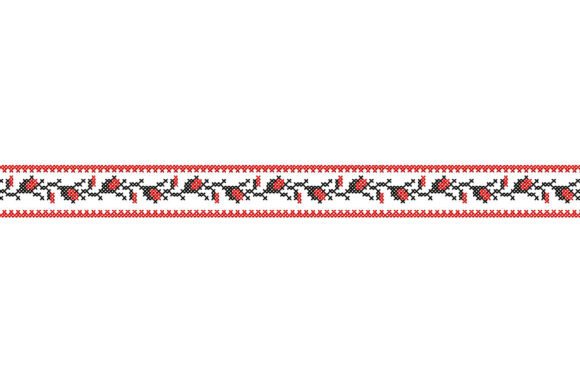
Set Vintage Border Embroidery Designs Review
As a professional embroidery designer specializing in commercial branding and merchandise production, I approach every new machine embroidery design with a critical eye toward functionality, durability, and marketability. When evaluating the Set Vintage Border Embroidery Designs, specifically the Folk Cross Stitch Embroidery Pattern, my primary focus is how these assets translate from digital files to tangible business products. For small business owners, Etsy sellers, and apparel decorators, this set offers a distinct aesthetic rooted in Slavic tradition, but its application requires strategic planning to ensure it serves as a viable commercial asset rather than just a decorative element.
First Impressions: Rustic Authenticity Meets Commercial Viability
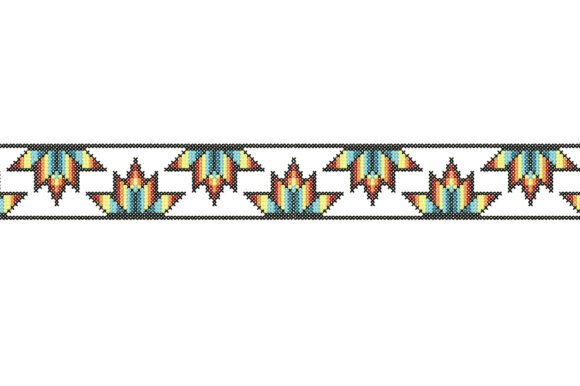
Upon reviewing the Set Vintage Border Embroidery Designs, the immediate impression is one of heritage and artisanal quality. The Folk Cross Stitch style communicates warmth, history, and handcrafted care. For a brand identity, this visual language is powerful. It signals to customers that a business values tradition, authenticity, and detail. Unlike generic clip-art borders, this design carries a cultural weight that can elevate a simple product into a premium handmade product.
However, from a technical digitizing perspective, cross-stitch emulation presents unique challenges for commercial embroidery. While visually stunning, the texture implies high stitch density. For businesses looking to create small business merch, this means the design has a bold, rustic personality that works exceptionally well for bakeries, florists, pet brands, and creative studios. It feels friendly yet established. It does not feel corporate or sterile; instead, it offers an organic elegance that modern minimalist designs often lack. This specific aesthetic is ideal for businesses wanting to differentiate themselves through visual storytelling and cultural appreciation.
Strategic Applications for Branded Merchandise
The versatility of the Set Vintage Border Embroidery Designs lies in its linear format. Borders are inherently modular, making them superior to standalone logos for certain applications. Here is how I recommend deploying this embroidery file across various business touchpoints:
- Apron Embroidery: This is perhaps the strongest use case. Running the vintage border along the bottom hem or across the chest bib of a canvas apron creates a uniform look for café staff or florists without the stiffness of a large center logo. It allows for breathability and fabric drape while maintaining strong brand identity.
- Tote Bag Design: For retail boutiques or farmers' market vendors, placing this border near the top opening of a natural cotton tote bag adds perceived value. The Slavic motif aligns perfectly with eco-friendly and sustainable branding narratives.
- Custom Apparel Accents: Instead of a standard left-chest logo, consider using a segment of the border as a cuff detail on work shirts or as a placket accent on polo shirts. This subtle placement suggests high-end custom apparel rather than basic promotional wear.
- Embroidered Patch Production: Because borders are continuous, they can be adapted into rectangular or arched patches for caps and jackets. The cross-stitch texture holds up well in patch form, provided the backing is sturdy.
- Product Packaging: Use the design on cloth dust bags for jewelry or linen wraps for baked goods. This transforms packaging into a keepsake, increasing customer retention and engagement.
Technical Constraints and Production Warnings
While the Set Vintage Border Embroidery Designs are aesthetically beautiful, business owners must understand the physical limitations of this style. Cross-stitch emulation typically involves dense satin stitches or complex fill patterns. This stitch density dictates where you can and cannot use the design safely.
Fabric Texture and Stabilizer Requirements
You must match the fabric texture to the design weight. Lightweight knits or sheer fabrics will likely pucker or distort under the weight of a vintage border. I strongly advise testing on stable woven fabrics like denim, canvas, twill, or linen first. Proper stabilizer selection is non-negotiable here; a heavy-duty cut-away stabilizer is usually required to support the density and prevent the fabric from pulling. If you attempt this on a performance polo without adequate stabilization, the result will be unprofessional and unwearable.
Sizing and Cap Embroidery Challenges
Be cautious when resizing. Reducing a detailed folk art border below its intended size can cause thread breaks and loss of definition. Always check the minimum recommended dimensions before attempting cap embroidery. Curved surfaces like hat fronts add another layer of complexity; the linear nature of a border may need to be digitally warped or segmented to sit flat on a curved brim. Additionally, verify the hoop size compatibility. Borders often require larger hoops or re-hooping strategies to achieve continuous lines without visible join marks.
Washability and Durability
For staff uniforms or items requiring frequent laundering, test the thread colors for colorfastness. High-density embroidery takes longer to dry and can trap moisture. Ensure your production process accounts for this to avoid mildew or shrinkage issues in the finished product.
Impact on Brand Value and Customer Trust
Incorporating the Set Vintage Border Embroidery Designs into your merchandise strategy does more than decorate; it builds trust. In an era of mass-produced fast fashion, visible craftsmanship signals quality. When a customer receives a finished product featuring intricate folk art borders, they perceive higher value. This directly supports premium pricing strategies for Etsy sellers and boutique owners.
Furthermore, consistency in using these design assets across multiple platforms—from physical goods to printable mockup marketing materials—reinforces brand recognition. The distinctive geometric and floral rhythms of Slavic cross-stitch act as a visual signature. Customers begin to associate that specific pattern with your business's commitment to heritage and quality. However, this only works if the execution is flawless. Poor registration or thread tension issues will negate the premium feel, so quality control is paramount.
Essential Designer Notes for Business Implementation
Before committing to a full production run using the Set Vintage Border Embroidery Designs, follow this professional checklist to protect your investment and reputation:
- Verify Commercial Licensing: Confirm that the digital embroidery file includes rights for commercial merchandise. Personal use licenses do not cover selling branded goods.
- Run a Black and White Test: Stitch out the design in a single color first. This reveals structural integrity and registration issues without wasting expensive variegated threads.
- Check Contrast Ratios: Folk designs rely on contrast. Test thread colors against your actual garment base color. Dark thread on dark fabric will make the intricate details disappear.
- Create Client Mockups: Before stitching for a client, generate a printable mockup showing the border placement relative to seams and pockets. Get written approval on scale and position.
- Inspect Spacing and Joins: If the border requires multiple hoopings, plan your alignment points meticulously. Visible gaps or overlaps destroy the professional illusion.
- Test Wash Cycle: Launder the sample piece three times before selling. Check for shrinkage, puckering, or thread damage.
- Compare Beside Other Assets: Ensure the vintage border doesn't clash with your existing logo. They should complement, not compete.
The Set Vintage Border Embroidery Designs represent a significant opportunity for businesses seeking to infuse their merchandise with cultural depth and artisanal charm. By respecting the technical demands of the embroidery file and applying it strategically to appropriate substrates, small business owners can transform simple blanks into meaningful brand ambassadors. Success lies in balancing the romantic appeal of the Folk Cross Stitch pattern with the rigorous standards of commercial production. When executed correctly, this design set becomes more than decoration; it becomes a cornerstone of a distinctive, trustworthy, and profitable brand identity.