3D Love Design: A Bluework Embroidery Review
As an embroidery designer constantly sourcing reliable assets for commercial projects, I approach every new machine embroidery design with a critical eye. When browsing Creative Fabrica for Valentine’s Day inventory, the 3D Love Design caught my attention specifically because of its bluework aesthetic. Unlike standard red-and-pink seasonal fills that saturate the market, this design offers a textured, dimensional alternative that feels more sophisticated. After evaluating this embroidery file for potential use in custom apparel and home decor, here is my honest assessment of how it performs in real-world production scenarios.
Visual Mood and Stitch Personality
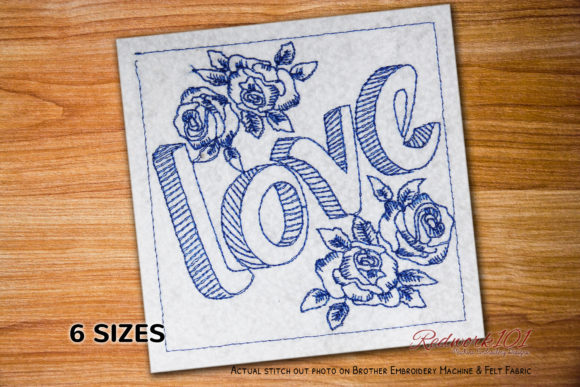
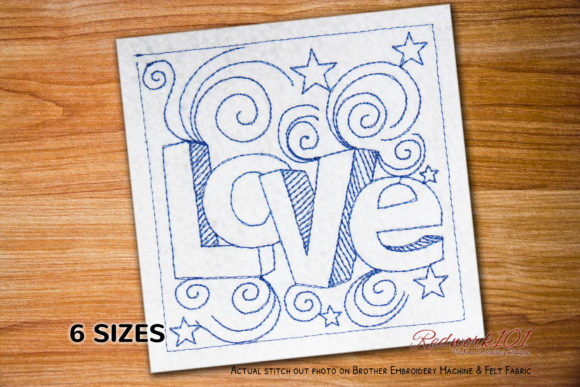
The first impression of the 3D Love Design is distinctively tactile. Bluework traditionally relies on texture rather than color variation to create depth, and this digital interpretation honors that heritage. The design utilizes raised stitching techniques to simulate a three-dimensional effect without requiring actual foam or complex padding layers. For an Etsy seller or boutique owner, this visual mood translates to a premium feel. It avoids the cheap, flat appearance that some digitized holiday designs suffer from.
A crucial detail noted in the product description is that the box stitch shown in promotional images is optional. This flexibility is significant for designers. In my experience, framing elements can sometimes limit placement options on smaller items like caps or baby bibs. Knowing that the outer box is a separate element—and often a different color—allows me to isolate the core "Love" motif. This modularity makes the digital embroidery file far more versatile across different hoop sizes and product types.
Performance on Apparel and Textiles
I evaluated this design specifically for sweatshirts and tote bags, two high-volume sellers during the Valentine's season. On fleece and french terry fabrics, the density of the 3D Love Design holds up well. The textured stitches sink slightly into the pile of the fabric, creating a cozy, integrated look rather than sitting stiffly on top. However, because this is a textured design, stitch density is a factor. If you are working with lightweight knits or stretchy jersey, you must use an appropriate stabilizer. I recommend a medium-weight cut-away for sweatshirts to prevent puckering around the dense 3D areas.
For tote bag design applications on canvas or denim, this file shines. The structural integrity of these fabrics supports the heavier stitch count required for the 3D effect. The bluework style also hides minor tension issues better than large satin stitch columns would. If you are producing custom apparel for corporate gifts or bridal parties, the monochromatic nature of this design allows it to coordinate with various garment colors without clashing. It reads as intentional artistry rather than generic clipart.
Navigating Small Hoops and Detailed Goods
One of the most common challenges with dimensional designs is scaling them down for small goods like kitchen towels, pillow covers, or patches. Because the 3D Love Design relies on texture for its visual impact, reducing it too aggressively can cause the details to merge. Before committing this design to a napkin or handkerchief, verify the minimum safe size in your software. The intricate running stitches and fill patterns need room to breathe.
If you plan to use this as an embroidered patch, the optional box stitch becomes highly relevant. You might choose to include the box for a structured badge look or exclude it for a freestanding applique-style shape. For curved surfaces like caps, I advise caution. The density required for the 3D effect can be difficult to manage on the curved brim area unless your machine handles cap frames exceptionally well. Testing on a scrap cap or similar curved surface is non-negotiable here. Always confirm the specific file details and licensing on the Creative Fabrica product page before selling finished items, especially if you are modifying the design by removing the border.
Commercial Value and Customer Perception
From a business perspective, the 3D Love Design offers higher perceived value than standard flat embroidery. Customers associate texture with craftsmanship. When photographing handmade products for listings, the shadows created by the 3D stitching add visual interest that flat designs lack. This directly impacts click-through rates on platforms like Etsy or Shopify. The bluework palette also extends the shelf life of the product; while clearly Valentine-themed, the artistic execution allows it to transition into general winter or spring decor more easily than neon pink hearts.
For those creating printable mockups to test market demand before stitching, ensure your mockup generator captures texture. A flat vector representation will not do this design justice. Buyers need to see the dimensionality to understand the price point. Furthermore, if you are using this for commercial embroidery on items destined for frequent washing, such as baby blankets or aprons, check the thread contrast. Bluework typically uses tone-on-tone or high-contrast white-on-blue threads. High contrast shows wear faster, so consider polyester threads for washability over rayon if the end-use involves heavy laundering.
Practical Production Notes for Designers
To get the best results from this Creative Fabrica embroidery asset, follow these practical guidelines derived from testing similar textured files:
- Test on Scrap Fabric First: Never run a 3D or textured design on a final product without a test sew-out. The interaction between the specific fill stitches and your chosen fabric weight varies significantly.
- Review Thread Colors: Since the outer box is often a different color, decide early if you want that contrast. For a subtle, high-end look, match the box thread to the fabric. For a graphic pop, use a contrasting shade.
- Check Stabilizer Compatibility: Dimensional designs require stable backing. If stitching on dark fabric, ensure your stabilizer does not show through the needle holes, which can be larger due to the density.
- Inspect Small Details: After stitching, inspect the transition points between the 3D elements and any running stitch outlines. These junctions are where registration errors usually occur.
- Verify Licensing: Always double-check the current license terms on the product page. While many CF designs allow for physical product sales, restrictions on digital redistribution or mass production can change.
Final Thoughts for Makers and Sellers
The 3D Love Design represents a strong addition to a professional embroiderer's library, particularly for those looking to elevate their Valentine’s Day offerings beyond the basics. Its strength lies in its textural complexity and the flexibility provided by the optional framing elements. Whether you are decorating a nursery pillow, personalizing a gift, or stocking a boutique, this design delivers a handmade quality that justifies a premium price.
However, success with this file depends on respecting its technical requirements. Treat it as a specialized asset rather than a quick print-and-stitch solution. By paying attention to stabilization, fabric choice, and scale, you can transform this design asset into a standout finished product that builds buyer trust and showcases your technical expertise. As always, leverage the community feedback and reviews on Creative Fabrica to see how other makers have adapted this specific bluework file for their unique niches.