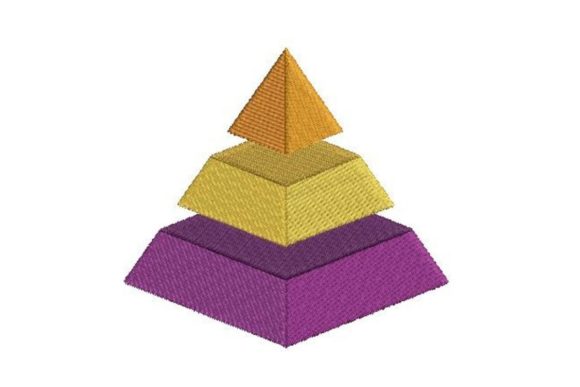
3D Pyramind: A Seasonal Embroidery Design Review
As I curate my upcoming seasonal collection, I am constantly searching for that perfect balance between classic tradition and modern novelty. Holiday shoppers are looking for items that feel nostalgic yet fresh, and as an Etsy seller and small shop owner, I need designs that translate beautifully from screen to fabric. After reviewing the 3D Pyramind, I see significant potential for this unique geometric structure to anchor a holiday product line. This is not your standard festive motif; it is an architectural statement that falls under the Intricate Cuts category, offering a sophisticated alternative to typical seasonal clip art.
First Impressions: Geometric Warmth for Holiday Collections
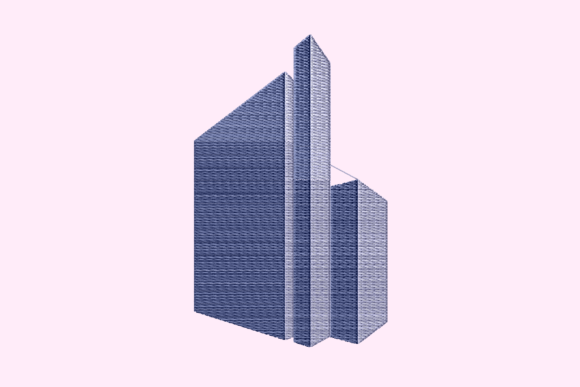
My initial reaction to the 3D Pyramind was one of intrigue. In the world of holiday embroidery, we often rely heavily on organic shapes like holly, snowflakes, or reindeer. This design disrupts that pattern with clean lines and dimensional depth. The "3D" aspect suggests a play on light and shadow through stitching, which creates a premium, high-value look. For a seasonal embroidery lineup, this reads as elegant and modern rather than overly cute or rustic. It evokes a sense of stability and timelessness, making it emotionally resonant for customers seeking meaningful, lasting gifts rather than disposable decor.
The description notes that this machine embroidery design comes with multiple embroidery options. This versatility is crucial for my workflow. It allows me to create a cohesive brand aesthetic across different products without purchasing separate files. The mood strikes me as spiritual yet contemporary, fitting perfectly into a collection aimed at mindful gifting or elevated home decor. It feels substantial, which is exactly what buyers want when they invest in a handmade gift during the busy holiday rush.
Strategic Product Applications for Seasonal Sales
When planning my inventory, I evaluate how a design performs across various substrates. The 3D Pyramind has specific strengths in real-world selling situations. Because of its structural nature, it would serve as an exceptional centerpiece for sweatshirt embroidery. Imagine a cream-colored heavyweight fleece featuring this pyramid in deep forest green or metallic gold thread; the contrast and dimensionality would make for a stunning personalized gift that stands out in social media feeds and craft fair displays.
I also envision this working beautifully as a tote bag design for holiday market shopping. Canvas provides a stable base for intricate stitching, allowing the 3D effect to pop without distortion. For home decor, this design could elevate a pillow cover from simple to showroom-quality. The geometric precision complements modern farmhouse or mid-century holiday aesthetics, broadening the target demographic beyond traditionalists. Additionally, because the design includes multiple variations, I could use smaller elements as an embroidered patch for denim jackets or as accent motifs on kitchen towel embroidery sets, creating tiered price points for my shop.
Navigating Technical Challenges in Intricate Cuts
However, as an experienced designer, I must address where caution is required. The Intricate Cuts classification implies complexity that demands respect. When using the 3D Pyramind, fabric texture is paramount. While it thrives on canvas or sweatshirt fleece, I would hesitate to use it on thick terry cloth towels unless the design includes a knockdown stitch layer. High-pile fabrics can swallow fine details, ruining the intended 3D illusion.
Stitch density is another critical factor. To achieve a three-dimensional look, this file likely utilizes layered satin stitches or specialized fill patterns. On stretchy garments or lightweight knits, this density could cause puckering or fabric damage. Proper stabilizer selection is non-negotiable here; I would recommend a heavy cut-away for apparel and potentially a tear-away topping for textured goods to maintain crisp edges. Furthermore, if you plan to resize this digital embroidery file, be wary of going too small. Reducing intricate geometric designs often results in lost detail or thread breaks. Always verify the minimum recommended hoop size before committing to production.
Dark fabrics present both an opportunity and a risk. While metallic threads shine brilliantly against navy or black velvet, the underlying construction stitches might show through if the top thread coverage isn't dense enough. Conversely, on white linen, ensure the bobbin thread doesn't pull through to the top side, as this ruins the pristine holiday aesthetic. Test runs are mandatory.
Enhancing Buyer Emotion and Perceived Value
In the competitive landscape of commercial embroidery, visual recognition drives sales. The 3D Pyramind offers distinct visual branding opportunities. Unlike generic holiday vectors, this design feels proprietary and artistic. When customers browse Etsy listings or scroll through Instagram, the dimensional quality signals higher effort and skill, justifying a premium price point. It transforms a basic item into a collectible piece of art.
This design also supports the narrative of thoughtful gifting. During the holidays, buyers are anxious about finding something unique. A geometric, 3D-styled motif suggests intelligence and modern taste, appealing to recipients who may find traditional holiday kitsch overwhelming. By positioning this as a "modern heirloom" in your marketing copy, you tap into the desire for longevity and quality. The multiple embroidery options mentioned in the product details allow you to offer matching sets—perhaps a large pyramid on an apron and a coordinating mini version on a pot holder—which increases average order value and enhances the finished product appeal.
Designer Notes for Successful Seasonal Production
Before adding the 3D Pyramind to my live shop, I follow a strict validation protocol that I recommend to all fellow creators:
- Verify Specifications: Since exact stitch counts and formats aren't listed in the brief, open the embroidery file in your software first. Confirm the dimensions fit your intended hoops and that the format is compatible with your machine.
- Thread Testing: Stitch out samples on both light and dark fabrics. The 3D effect relies on shading; ensure your thread colors provide enough contrast to render the depth correctly. Matte vs. sheen thread choices will drastically alter the final look.
- Stabilizer Audit: Do not guess. Test with different stabilizer combinations to prevent the dense geometric areas from distorting the fabric grain, especially on bias-cut items or stretchy holiday apparel.
- Mockup Accuracy: Create realistic printable mockups that reflect the actual stitch texture. Flat digital renders fail to capture the 3D essence of this design. Photographing a physical sample is often better for conveying value to online shoppers.
- Licensing Check: Before selling any small shop product featuring this design, review the commercial license terms. Ensure you are permitted to sell finished goods and clarify if there are limits on production quantity.
- Detail Inspection: After stitching, examine the registration marks and outline alignment. In intricate cuts, even a 1mm shift can ruin the optical illusion. Adjust tension or hoop stabilization as needed before mass production.
The 3D Pyramind represents a bold choice for seasonal collections. It moves away from safe clichés and offers a structured, artistic focal point that can define a brand's holiday identity. By respecting its technical requirements and leveraging its unique aesthetic, this design can become a cornerstone of a profitable and distinctive seasonal lineup. Whether applied to apparel, home goods, or accessories, it promises to deliver the originality and quality that today’s discerning handmade market demands.