Husband 3D Embroidery Design: A Seller's Review
As an Etsy seller and small business owner constantly scouting for fresh inventory, finding the right machine embroidery design is about more than just aesthetics. It is about viability, stitch quality, and market demand. When evaluating the Husband 3D Embroidery Design available on Creative Fabrica, I approached it with a critical eye toward production efficiency and commercial appeal. This review breaks down how this specific digital embroidery file can translate into profitable handmade products, from custom apparel to home decor, while highlighting practical considerations for fellow creative entrepreneurs.
Evaluating Visual Style and Market Fit
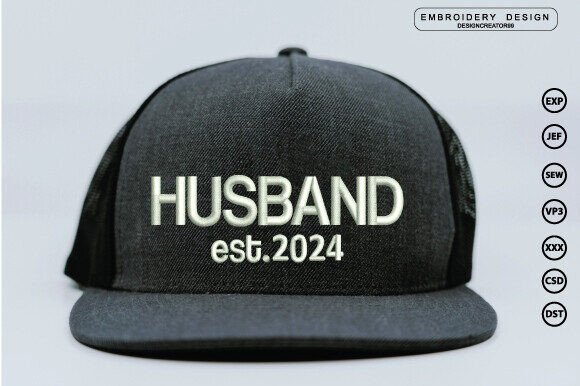
The term "3D" in embroidery typically implies either puff foam techniques or dense satin stitching that creates a raised, tactile effect. For a husband-themed design, this visual weight suggests a bold, masculine aesthetic rather than something delicate or overly intricate. In my experience running a craft business, designs with this level of texture photograph exceptionally well because they catch light and shadow, adding depth to product listings. This particular Husband 3D Embroidery Design feels positioned for the premium personalized gift market. It avoids the clip-art look that often plagues lower-quality files, aiming instead for a boutique merchandise feel that justifies a higher price point.
For Etsy sellers targeting spouses shopping for anniversaries, Father’s Day, or birthdays, the style needs to strike a balance between sentimental and wearable. A 3D effect adds a modern twist to traditional husband gifts, making items like sweatshirt embroidery or caps feel current rather than dated. The bold nature of 3D stitching also ensures readability in thumbnail images, which is crucial for click-through rates on mobile devices where most shoppers browse.
Best Product Applications for Commercial Use
Based on the description stating it looks perfect on hats, t-shirts, pillows, and home decor, this embroidery file offers versatile application potential. However, successful commercial embroidery requires matching the design to the correct substrate. Here is how I would categorize product planning for this design:
- Headwear and Caps: If this is indeed a puff-capable design, structured caps are the primary revenue driver. The curved surface of a hat enhances the 3D effect, making the text or graphic pop. This is ideal for "Dad Hat" listings or groomsmen gifts.
- Heavyweight Apparel: Sweatshirt embroidery and hoodie customization are excellent candidates. The density required for a 3D look pairs best with heavy cotton blends or fleece. Avoid lightweight performance tees, as the stitch density may cause puckering or fabric distortion.
- Home Decor Accents: While described as suitable for pillows, I recommend using this for accent pillow covers rather than bed linens. The texture is great for decorative throw pillows but might be too abrasive for items meant for sleeping. Kitchen towel embroidery is another option, provided the design is resized appropriately to avoid making the towel too stiff for actual use.
- Tote Bags and Patches: Canvas tote bag designs benefit from high-stitch-count graphics because the sturdy fabric supports the weight. Alternatively, creating an embroidered patch allows you to sell the design as an add-on for denim jackets or backpacks without committing to full garment production.
Enhancing Buyer Value and Giftability
In the handmade product sector, perceived value drives sales. A flat, standard stitch-out often looks comparable to mass-produced factory goods. By utilizing a specialized Husband 3D Embroidery Design, you immediately differentiate your finished product. The tactile quality signals craftsmanship and intentionality. When a customer receives a gift with raised embroidery, it feels substantial and expensive.
This design also supports better marketing assets. Because 3D embroidery has physical dimension, it is easier to create engaging social media content. Video reels showing the texture up close or side-profile shots demonstrating the height of the stitches perform significantly better than flat photos. For printable mockups, ensure you are using high-resolution overlays that mimic texture; otherwise, the discrepancy between the digital preview and the physical item could lead to customer disappointment. Always prioritize photographing a real sample stitch-out for your main listing image to build trust with buyers looking for authentic custom apparel.
Technical Considerations for Production
Before listing any item featuring this design, technical due diligence is non-negotiable. As experienced embroiderers know, not all files digitized for 3D effects are created equal. Here are the practical steps I recommend before integrating this into your shop:
- Verify File Formats: The product listing confirms inclusion of PES (Brother, Deco, Babylock) and DST formats. If you use Janome, Bernina, or Husqvarna machines, confirm on the Creative Fabrica product page whether additional conversions are included or if you will need to convert the DST file yourself. DST is generally universal but lacks color information, so thread sequencing must be verified.
- Test Stitch Density and Stabilizer: 3D designs are stitch-heavy. Run a test on scrap fabric identical to your intended finished product. Check for registration issues where the top stitches might not align perfectly with the base. You will likely need a heavier cut-away stabilizer or multiple layers of tear-away to prevent hoop burn and ensure the 3D effect stands up correctly.
- Confirm Hoop Size Compatibility: Do not assume this fits a standard 4x4 hoop. Many 3D husband designs utilize larger fields to accommodate legible text and proper spacing. Measure your available hoop size against the file dimensions listed on Creative Fabrica before purchasing.
- Thread Color Planning: Masculine designs often rely on tonal contrast rather than bright colors. Test different thread combinations. A navy thread on a grey sweatshirt offers a subtle, premium look, whereas white on black provides high-contrast visibility. Document your successful thread charts for future reorders to maintain consistency across small batch apparel runs.
- Licensing Verification: Crucially, review the specific license terms on Creative Fabrica. Ensure the license covers commercial use for physical finished products. Some licenses restrict the number of units you can produce or prohibit using the design for digital resale. Protecting your craft business means respecting these intellectual property boundaries.
Strategic Integration for Small Shops
Adding the Husband 3D Embroidery Design to your catalog should be part of a broader collection strategy. Rather than listing it as a standalone item, consider bundling it. Create a "Groomsmen Bundle" featuring this design on flasks, robes, or duffel bags. Pair it with a complementary wifey design for matching anniversary sets. This increases average order value and maximizes the utility of a single embroidery file.
Furthermore, pay attention to seasonality. While "Husband" is an evergreen keyword, search volume spikes around specific holidays. Schedule your listings to go live four to six weeks before Father’s Day, Valentine’s Day, and the winter holiday season. Use the time before peak season to refine your production workflow, perfect your photography, and gather initial reviews through early-bird promotions.
Ultimately, this design represents a strong opportunity for sellers willing to invest in proper testing and presentation. Its potential for creating memorable, giftable items aligns well with current Etsy trends favoring texture and personalization. By treating this digital embroidery file as a component of a professional manufacturing process rather than just a quick download, you can build a sustainable line of products that resonates with shoppers and showcases your technical expertise.