Power 3D Embroidery Design: A Business Review
As a professional embroidery designer who specializes in commercial branding and merchandise production, I approach every new machine embroidery design with a critical eye. When evaluating the Power 3D Embroidery Design for small business applications, my focus shifts immediately from simple aesthetics to structural integrity and brand viability. While the product description suggests embellishing towels and home decor with charm, my review assesses whether this digital asset can withstand the rigors of commercial embroidery on uniforms, patches, and retail merchandise.
First Impressions: Visual Personality and Professionalism
The title "Power 3D" implies a design with significant visual weight and dimensional presence. In the context of brand identity, this suggests a bold, confident aesthetic rather than a delicate or purely ornamental look. For a creative studio, bakery, or boutique, this design likely offers a modern, dynamic feel that translates well to promotional items. However, "3D" in embroidery often refers to puff foam techniques or high-density satin stitching meant to simulate depth. This distinction is vital for business owners. If the design relies on complex shading to create a 3D effect, it may require higher stitch density, which impacts fabric choice. If it is intended for actual puff foam, the digitizing must include specific stop codes and underlay structures that differ from standard flat embroidery.
From a branding perspective, this design feels versatile enough to serve as a primary logo mark or a secondary accent graphic. It strikes a balance between playful and professional, making it suitable for handmade product tags or staff apparel where you want to convey energy without sacrificing legitimacy.
Real-World Applications for Small Business Merch
When integrating the Power 3D Embroidery Design into a product line, versatility is key. Based on its inspirational category and bold naming, here is how I envision this embroidery file performing across various business assets:
- Embroidered Patches: This design appears ideal for patch creation. The implied bold lines and dimensional elements typically translate well when stitched onto twill backing with merrowed edges. Patches are excellent for small business merch because they allow customers to apply your brand to their own jackets and bags.
- Apron Embroidery: For cafés and florists, aprons are prime real estate. The design’s "power" aspect suggests it will remain visible against busy kitchen environments or garden settings. Placing this on the chest pocket area or lower bib provides immediate brand recognition.
- Tote Bag Design: Canvas totes are a staple for Etsy sellers and boutiques. This design should anchor the center of a tote bag effectively, acting as a walking billboard. The texture of canvas pairs well with designs that have a 3D or heavy stitch profile.
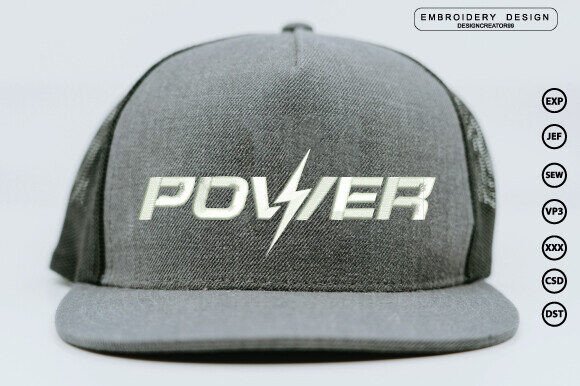
- Cap Embroidery: Headwear requires specialized digitizing. If this file includes cap-specific formatting, it could serve as a strong front-panel logo. The vertical height and center-out stitching sequence required for caps must be verified before production.
- Staff Uniforms: Beyond aprons, this design works as a sleeve detail or back-yoke accent on work shirts, adding a premium touch to employee attire that reinforces team unity.
Technical Considerations and Production Caution Zones
While the Power 3D Embroidery Design holds promise, experienced embroiderers know that digital files behave differently on physical substrates. There are specific scenarios where caution is required to ensure a high-quality finished product.
Fabric Texture and Stabilizer Selection
The description mentions towels and pillows, which are high-pile and textured surfaces. If you intend to use this design on similar textured fabrics for merchandise, such as fleece hoodies or terry cloth tote bags, you must use adequate stabilizer. A design with "3D" characteristics often has dense areas that can cause puckering on unstable knits. Always use a cut-away stabilizer for stretchy apparel and consider a water-soluble topping for textured fabrics to prevent stitches from sinking into the pile.
Size Reduction and Detail Loss
Be wary of resizing this digital embroidery file significantly. Designs marketed as "3D" or "Power" often rely on specific stitch lengths and widths to create their visual effect. Shrinking the design for a small chest logo or tiny label may result in thread breaks, needle damage, or a loss of definition. Always check the minimum recommended size before attempting to scale down for custom apparel accents.
Washability and Durability
For items like staff uniforms and café aprons that require frequent industrial washing, verify the thread colors and density. High-density 3D effects can sometimes trap moisture or take longer to dry. Ensure the design does not create an overly stiff area on lightweight performance fabrics, as this can lead to premature wear or tearing around the embroidery perimeter.
Impact on Brand Value and Customer Trust
In the competitive landscape of handmade brands and local businesses, the quality of your embroidery directly influences perceived value. A clean, well-executed application of the Power 3D Embroidery Design signals professionalism. Conversely, poor registration or puckering suggests amateurism. When used correctly, this design enhances buyer engagement by providing a tactile, premium experience that screen printing cannot replicate.
Consistency is equally important. Using this design across multiple touchpoints—from packaging accents to event merch—creates visual cohesion. Customers begin to associate the specific texture and style of this embroidery with your brand's commitment to quality. For Etsy sellers, including close-up photos of the stitch texture in your listings can justify higher price points and differentiate your shop from competitors using generic clipart.
Designer Notes: Pre-Production Checklist
Before running the Power 3D Embroidery Design on customer goods or final inventory, adhere to this professional testing protocol:
- Verify File Formats: The product listing states that 9 formats are included. Confirm your machine reads one of these native formats before purchasing. Avoid converting between formats unnecessarily to preserve stitch data integrity.
- Test Stitch-Out: Never skip the test run. Stitch the design on the exact fabric and hoop size you plan to use for production. Evaluate the registration, tension, and overall feel.
- Check Licensing: Crucially, confirm the commercial licensing terms. Just because a file is available digitally does not automatically grant permission to sell finished products bearing the design. Protect your business by verifying usage rights.
- Create Printable Mockups: Before committing to bulk production, use a printable mockup or digital visualization tool to show clients or stakeholders how the design will appear on the final item. This manages expectations regarding size and placement.
- Contrast Testing: Test the design in both light and dark thread variations. A 3D effect that pops on white fabric might disappear on black. Adjust thread selection based on the base garment color to maintain visibility.
- Compare Design Assets: Place this design beside your existing logo files and brand assets. Ensure the style aligns with your current visual identity. If it clashes, consider using it only for specific seasonal collections rather than core branding.
The Power 3D Embroidery Design offers a compelling option for businesses looking to add texture and impact to their merchandise. By treating it as a professional production asset rather than just a decorative element, and by respecting the technical requirements of apron embroidery, patches, and apparel, you can leverage this design to build a stronger, more recognizable brand presence. Always prioritize testing and verification to ensure your embroidered goods reflect the excellence your customers expect.