Spring Floral Birdcage Cross Stitch Patt Review
As I curate my upcoming seasonal collection, finding the perfect balance between intricate artistry and commercial viability is always the primary challenge. When evaluating the Spring Floral Birdcage Cross Stitch Patt for my shop’s spring and holiday lineup, I am looking for more than just a pretty picture; I need a design that translates into sales, gifts, and heirloom-quality finished products. This review breaks down my professional assessment of this specific digital embroidery file, focusing on how it performs in real-world production scenarios for Etsy sellers, apparel decorators, and handmade gift makers.
First Impressions: Seasonal Mood and Aesthetic Appeal
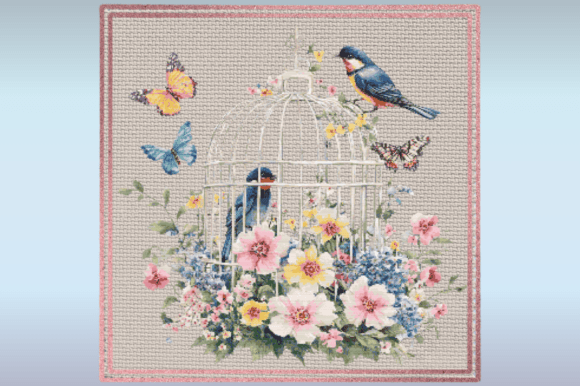
My initial reaction to the Spring Floral Birdcage Cross Stitch Patt is one of nostalgic elegance. The design immediately evokes a sense of romantic cottage-core aesthetics, making it highly relevant for current market trends. With a substantial size of 300 x 296 stitches, this is not a minimalist icon but a centerpiece graphic. The description notes a confetti-like display of 37 DMC colors, which tells me as a designer that this pattern relies on color blending and shading rather than large blocks of solid fill. This creates a painterly, premium look that distinguishes high-end handmade goods from mass-produced items.
For seasonal embroidery planning, this design hits the emotional notes required for spring celebrations, Mother’s Day, Easter, and bridal showers. It feels festive yet refined, avoiding the overly cartoonish style that can sometimes alienate adult buyers. The birdcage motif suggests containment of beauty and new beginnings, a powerful narrative for personalized gifts. However, the complexity of 37 thread colors means this machine embroidery design will require careful inventory management and longer run times, factors that must be calculated into pricing strategies for small shop products.
Commercial Viability for Holiday and Seasonal Products
When integrating this cross stitch pattern into a commercial catalog, versatility is key. Based on the stitch count and visual density, I see strong potential for specific product categories. For sweatshirt embroidery, this design serves as an excellent back-print or large chest piece for lightweight French terry fabrics. The floral elements soften the garment, making it appealing for boutique fashion listings. Similarly, as a tote bag design, the 300 x 296 stitch dimensions provide ample coverage on standard 15x16 canvas bags without overwhelming the functional space.
For home decor vendors, this graphic shines as a pillow cover focal point or framed wall art. The intricate color work mimics traditional needlepoint, adding perceived value to textile goods. Kitchen towel embroidery is another viable avenue, specifically for tea towels intended as decorative or light-use items. Because the design is dense, it transforms simple linen into a luxury item. For craft fair displays and limited edition drops, this pattern offers enough visual weight to attract customers from a distance, while the fine details reward closer inspection, encouraging engagement and purchase.
Strategic Merchandising and Gift Bundling
The Spring Floral Birdcage Cross Stitch Patt is particularly well-suited for bundling. As an Etsy seller, I would pair finished embroidered patches or linens with complementary spring-themed items like seed packets or ceramic vases. The design’s inherent "giftability" makes it ideal for pre-made bundles targeting last-minute holiday shoppers. Furthermore, because this is a graphics-based digital embroidery file, it allows for easy creation of printable mockups. High-quality social media previews featuring this design can drive traffic before a single physical sample is stitched out, provided the mockups accurately represent the texture and scale of the final product.
Technical Considerations and Application Limitations
While the aesthetic is stunning, practical application requires caution. A design boasting 37 colors and nearly 300 stitches in width demands respect for fabric physics. I advise against using this pattern on stretchy garments like ribbed knits or performance wear unless significant stabilization is used; the stitch density could cause puckering or distortion. Curved surfaces like caps are also unsuitable due to the flat, expansive nature of the artwork.
Fabric texture plays a massive role in the success of this seasonal embroidery. On thick terry cloth or plush towels, the fine details of the floral arrangement may get lost or buried. I recommend testing on smooth, tightly woven fabrics like cotton poplin, linen, or quilting cotton first. Dark fabrics present another challenge; with so many color changes, ensuring adequate contrast and coverage is vital. If stitching on navy or charcoal, verify that the digitizer has included sufficient underlay to prevent the dark fabric from showing through the lighter floral threads. Always confirm the hoop size requirements before purchasing, as a 300-stitch width likely exceeds standard 4x4 hoops, necessitating a 5x7 or larger field.
Washability and Long-Term Care
For items destined for repeated washing, such as baby bibs, aprons, or table linens, consider the longevity of 37-color blends. While modern polyester and rayon threads are colorfast, complex shading can sometimes appear muddy after aggressive laundering. For these high-wear applications, I suggest positioning the Spring Floral Birdcage Cross Stitch Patt as a decorative accent rather than covering the entire surface area, or advising customers to hand-wash the finished product to preserve the integrity of the detailed stitch work.
Designer Notes for Production Success
To ensure customer trust and minimize production waste when working with this digital embroidery file, follow these professional guidelines:
- Test Stitch on Target Fabric: Never assume a design will run perfectly on every material. Run a test sew-out on the exact fabric you intend to sell. Check for registration issues between the 37 different color stops.
- Stabilizer Selection is Critical: Given the stitch count, use a high-quality cut-away stabilizer for apparel and multiple layers of tear-away for crisp linens. Floating the fabric may result in shifting given the design's complexity.
- Thread Color Verification: Before bulk production, physically compare your thread inventory against the DMC conversion chart provided. Screen colors in software often differ from actual thread sheen. Adjustments may be needed to maintain the intended seasonal mood.
- Review Licensing Terms: Always double-check the commercial licensing included with the graphics file. Ensure you have the right to sell finished products, especially if planning a large-scale holiday drop or wholesale arrangement.
- Create Realistic Mockups: Avoid flat, digital-only listings. Photograph a test stitch-out to show true texture and scale. Customers buying handmade gifts want to see the tangible quality of the embroidery, not just a computer rendering.
- Plan Color Palettes Early: Sourcing 37 specific shades can be time-consuming. Order all necessary threads before listing the product to avoid fulfillment delays during peak shopping seasons.
Elevating Your Seasonal Collection
Incorporating the Spring Floral Birdcage Cross Stitch Patt into your repertoire is a strategic move for creators targeting the premium handmade market. Its complexity signals quality, and its thematic resonance aligns perfectly with spring and holiday gifting cycles. By respecting the technical demands of the stitch count and color palette, you can transform this digital file into a best-selling physical product. Whether applied to a cherished family heirloom, a boutique sweatshirt, or a bespoke kitchen textile, this design carries the potential to elevate your brand’s perceived value. Remember that in commercial embroidery, success lies in the intersection of beautiful art and disciplined execution. Review your equipment capabilities, test your materials, and let this intricate birdcage motif become the cornerstone of your next successful seasonal launch.