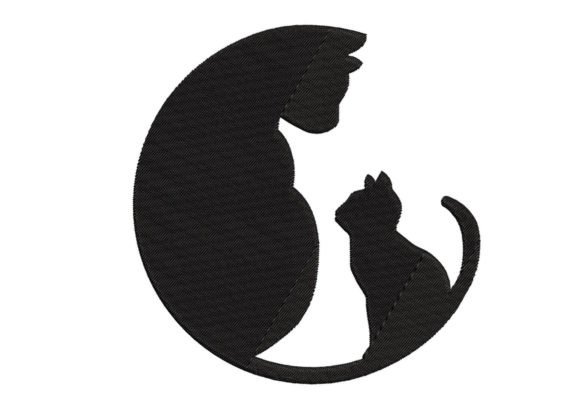
Mother Cat and Kitten: A Craft Fair Embroidery Review
As I prepare my booth inventory for the upcoming weekend craft fair, my primary goal is to curate a collection that stops passersby in their tracks. When evaluating the Mother Cat and Kitten machine embroidery design, I am looking at more than just a cute animal motif; I am assessing a potential bestseller for my handmade product line. The description promises a "heartwarming tapestry of maternal love" featuring a sophisticated mother and playful kitten. From a designer’s perspective, this suggests a balance between elegance and whimsy that is crucial for high-performing craft fair products. Before I commit to batch production, I must analyze how this specific embroidery file translates from screen to physical goods like tote bags, aprons, and tea towels.
Evaluating Visual Appeal and Booth Presence
The first impression of Mother Cat and Kitten dictates its placement in my booth display. Based on the concept of a sophisticated mother cat, this design leans toward a refined, perhaps slightly vintage or cottage-core aesthetic rather than a cartoonish style. This distinction is vital for an Etsy seller or boutique maker targeting adult buyers who appreciate sentimental but mature decor. In a crowded market environment, designs that evoke emotion without appearing juvenile tend to have higher perceived value.
For my table setup, I envision this design serving as a strong focal point on neutral linen fabrics. The interplay between the mother and kitten offers a narrative element that invites customers to look closer. Unlike generic cat silhouettes, the interaction described implies detailed stitching that showcases handmade quality. If the digitizing captures the "tender bond" mentioned in the product details, this piece will likely perform exceptionally well on premium items like pillow covers and heirloom-quality pouches. However, if the design relies too heavily on dense fill stitches to create that sophistication, it may limit my fabric choices, which brings me to practical production considerations.
Best Product Applications for Market Sales
Not every embroidery file suits every blank. As I sort through my inventory blanks, I categorize where Mother Cat and Kitten will yield the highest return on investment.
- Tote Bag Design: Canvas totes are craft fair staples. This design would work beautifully centered on a natural cotton tote. The contrast of dark thread against unbleached canvas highlights the maternal theme effectively. Ensure the hoop size accommodates the full scene without distorting the bag straps.
- Tea Towel Embroidery: Kitchen linens are impulse buys. Because the design features two subjects, verify it fits within standard 4x4 or 5x7 hoops commonly used for towels. Flour sack towels provide a smooth texture that supports detailed facial expressions better than terry cloth.
- Apron Embroidery: For aprons, placement is key. Positioning Mother Cat and Kitten on the lower pocket area or upper bib creates a charming accent. Avoid center-chest placement if the design is too wide, as it can interfere with the apron's drape.
- Embroidered Patches: If the design has clean edges and manageable stitch density, converting it into a patch expands selling opportunities. Patches allow customers to customize their own jackets or bags, increasing engagement at the booth.
- Fabric Pouches and Pillows: These items justify higher price points. The emotional resonance of the mother-kitten bond makes these ideal giftable handmade items. Use soft, matte threads to enhance the tender aesthetic.
Production Practicalities and Technical Checks
Before running a full production batch, I must address technical realities. A digital embroidery file looks perfect on a monitor, but physical limitations exist. I always advise fellow creative entrepreneurs to check specific metrics before purchasing or stitching.
Stitch Density and Fabric Texture
The phrase "exquisitely embroidered scene" often implies shading and detail. High stitch density can cause puckering on lightweight fabrics or stiffness on apparel. I need to test Mother Cat and Kitten on scrap fabric identical to my sales blanks. If the design is dense, using a cut-away stabilizer is non-negotiable for stretchy knits, while tear-away may suffice for woven canvas. On textured towels, tiny details representing the kitten’s fur or whiskers might get lost. In such cases, I might need to adjust the underlay or simplify small elements to maintain clarity.
Sizing and Legibility
Does this design work as a small accent or only as a large centerpiece? Reducing complex scenes often results in muddy details. If I plan to use this on caps or small pouches, I must confirm the minimum recommended size. Curved cap surfaces are particularly unforgiving for multi-subject designs. If the kitten’s face becomes indistinguishable at 3 inches wide, I will reserve this file for larger flat projects and select a simpler single-cat motif for headwear.
Thread Colors and Contrast
Maternal themes benefit from warm, harmonious thread colors. However, booth lighting varies wildly. I review my thread palette to ensure sufficient contrast so the design reads clearly from five feet away. Pastel-on-pastel combinations might look exquisite in a printable mockup but disappear under dim indoor market lights. Testing high-contrast variations ensures the handmade product remains visible and attractive in any setting.
Strategic Selling Points for Creative Entrepreneurs
Beyond the stitch-out itself, Mother Cat and Kitten impacts business strategy. For Etsy sellers and digital sellers, this design offers versatility. It serves as excellent content for social media, showcasing the "behind-the-scenes" process that builds brand trust. Creating real samples rather than relying solely on digital renderings significantly boosts buyer confidence.
When listing finished products, emphasize the emotional connection. Keywords like "cat mom gift," "nursery decor," or "pet lover embroidery" align with the design's sentiment. For commercial embroidery businesses, verify licensing terms immediately. Some designers restrict mass production or require attribution. Confirming these details protects your shop and respects the original artist’s rights.
Final Designer Recommendations
To maximize success with Mother Cat and Kitten, follow this pre-production checklist:
- Create Physical Mockups: Never rely exclusively on software previews. Stitch at least one sample on your intended sale fabric to assess hand-feel and drape.
- Verify Hoop Compatibility: Measure the actual design dimensions against your available hoops. Account for margin space needed for proper hooping tension.
- Test Stabilizer Pairings: Experiment with different backing weights. The right stabilizer prevents distortion and ensures professional results.
- Assess Batch Efficiency: Time the stitch-out. If the design takes three hours but sells for $20, it is not viable for craft fairs. Calculate true cost including thread, stabilizer, labor, and blank cost.
- Check Licensing: Review the commercial license included with the embroidery file. Ensure you are permitted to sell finished goods at physical markets and online.
- Photograph in Natural Light: Capture the texture and dimension of the stitches. Flat, flash-lit photos fail to convey the "tapestry of maternal love" that defines this piece.
Ultimately, Mother Cat and Kitten holds significant promise for craft fair vendors and handmade shop owners. Its blend of sophistication and sentiment targets a lucrative demographic of pet enthusiasts and home decorators. By approaching this machine embroidery design with critical attention to technical execution and market positioning, you transform a simple digital file into a profitable, cherished handmade product. Always let real-world testing guide your final production decisions, ensuring every stitch contributes to both artistic beauty and business sustainability.