Tractor Smoke: A Craft Fair Embroidery Review
As an experienced embroidery designer preparing for a weekend craft fair, my selection process is rigorous. I do not simply choose designs because they are cute; I choose them because they sell. When evaluating the Tractor Smoke machine embroidery design for my upcoming market booth, I am looking at it through the lens of production efficiency, visual impact from a distance, and customer appeal. This review breaks down exactly how this whimsical Farm Country motif performs when translated from a digital embroidery file into tangible, profitable handmade products.
First Impressions: Whimsy Meets Rustic Charm
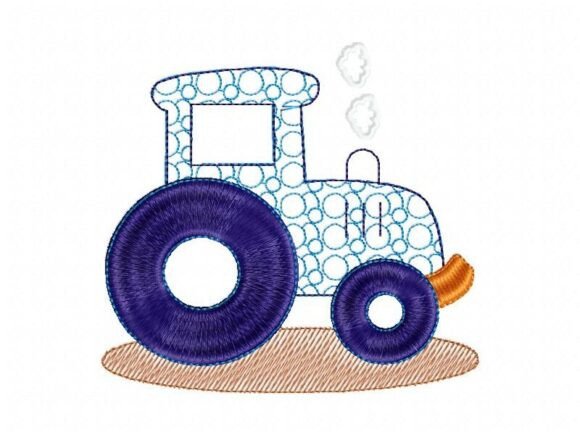
My immediate reaction to Tractor Smoke is that it strikes a difficult balance between nostalgia and modern playfulness. The description promises a "lively and charming appeal," and visually, this translates to a design that feels approachable rather than strictly utilitarian. For a craft fair table, this is crucial. Customers walking down an aisle make split-second decisions based on emotion. This design evokes the warmth of country living without feeling dated or overly serious.
The "smoke" element adds a dynamic quality that static tractor designs often lack. It implies motion and life, which catches the eye. However, as a professional, I immediately assess the complexity of that smoke detail. Is it stylized puff stitches or delicate running lines? This distinction dictates whether I can use this as a quick-production item or if it requires specialized attention. The whimsical nature suggests it will resonate strongly with parents shopping for children’s garments, but its rustic roots make it equally viable for adult farmhouse decor. It is a versatile asset for any Etsy seller or boutique maker targeting the rural aesthetic demographic.
Top Performing Products for Market Sales
Not every embroidery file suits every product. Based on the lively character of Tractor Smoke, I have identified specific items where this design will yield the highest return on investment for a small shop product lineup.
- Children’s Denim Jackets and Overalls: Since the design is ideal for enhancing children's garments, this is the primary application. Denim provides a stable base for the stitch density, and the contrast of light thread against dark denim makes the whimsical details pop. These are high-value items at craft fairs.
- Farmhouse Tea Towels: Tea towel embroidery is a staple for handmade markets. Tractor Smoke works beautifully here because the narrative fits the kitchen environment. I recommend placing the design in the lower third of the towel to allow for functional drying space while keeping the art visible when hung.
- Canvas Tote Bags: As a tote bag design, this motif appeals to the farmer’s market shopper. The natural canvas texture complements the farm theme. Ensure the design is centered and sized appropriately so it does not get lost in the folds of the bag when carried.
- Embroidered Patches: Creating standalone patches allows for batch production independent of garment inventory. Tractor Smoke has the potential to be a best-selling patch for DIY enthusiasts who want to customize their own gear later.
Production Practicalities and Booth Display Strategy
When preparing for a weekend show, time is money. I evaluate Tractor Smoke based on its repeatability. Does the design run smoothly without excessive thread breaks or trims? A whimsical design with complex smoke effects could potentially have high stitch density in localized areas. Before committing to a full production run, I must verify the digitizing quality. If the smoke is rendered with dense satin stitches, it may cause puckering on lighter fabrics like quilting cotton. Conversely, if it uses too many jumps, my finishing time increases, cutting into profits.
For booth displays, visual hierarchy matters. I would feature Tractor Smoke on a sample apron hanging at eye level. Apron embroidery serves as a moving billboard when worn by staff or displayed on a mannequin. The design needs to be legible from five feet away. If the tractor details are too intricate, they will blur at a distance. I advise sizing the design large enough to maintain clarity, ensuring the "smoke" reads as a distinct element rather than a smudge.
Photography for online listings requires similar consideration. When creating a printable mockup or listing photos for Etsy, ensure the lighting highlights the texture of the stitches. Flat, washed-out photos fail to convey the "lively" quality promised by the design. Use natural light to capture the sheen of the thread colors, emphasizing the dimensional quality that distinguishes a finished product from a digital image.
Critical Technical Considerations for Makers
While Tractor Smoke is charming, technical execution determines commercial viability. As a designer, I flag several careful-use notes for fellow creative entrepreneurs:
Fabric Texture and Stabilizer Selection
The interaction between stitch density and fabric texture is paramount. If applying this to textured towels or terry cloth, you must use a water-soluble topping to prevent the stitches from sinking into the pile. Without this, the fine details of the tractor and smoke will disappear. For caps, be aware that curved surfaces distort designs. Test the embroidery file on a scrap cap first; the smoke element may need manual distortion correction in your software to appear straight once hooped on a curve.
Sizing and Detail Clarity
Resist the urge to shrink this design below its recommended minimum size. Small lettering or tiny wheel spokes can become thread nests if reduced too aggressively. Always check the original digitizer's specifications regarding hoop size and minimum dimensions. If you plan to offer this as a small accent on a sleeve or pocket, confirm that the design assets include a simplified version optimized for smaller hoops.
Thread Colors and Contrast
Whimsical designs rely heavily on color choice. While traditional gray smoke is accurate, consider using variegated threads or soft pastels to enhance the playful vibe for children's items. However, always test thread contrast. White smoke on cream fabric lacks definition and will not photograph well for digital sales. High contrast ensures the design reads clearly both in person and on screen.
Designer Notes for Commercial Success
Before listing Tractor Smoke as part of your commercial embroidery offerings, adhere to this professional checklist:
- Verify Licensing: Never assume usage rights. Check the specific license terms included with the digital embroidery file to confirm you are permitted to sell finished products featuring this design.
- Create Physical Mockups: Do not rely solely on software simulations. Stitch out at least one real sample on your intended selling fabric to inspect tension, registration, and overall feel.
- Assess Batch Viability: Time the stitch-out. If Tractor Smoke takes 45 minutes to complete, calculate if your pricing model supports that machine time plus materials. It may be better suited as a premium, higher-priced item rather than a volume seller.
- Check File Integrity: Open the embroidery file in your machine software to check for unnecessary trims or color changes that could slow down production. optimizing the stitch path can save significant time during a craft fair prep rush.
Tractor Smoke offers immense potential for handmade market sellers due to its dual appeal to nursery decor and farmhouse aesthetics. By respecting the technical requirements of stitch density and fabric pairing, and by strategically placing the design on high-visibility products like aprons and totes, you can turn this whimsical digitization into a cornerstone of your craft fair collection. Remember, successful selling is about matching the right design to the right product with flawless execution. Test thoroughly, display boldly, and let the charm of this design drive engagement at your next event.